ZZ Plant Wrinkled Stems: Underwatering or Rhizome Rot?
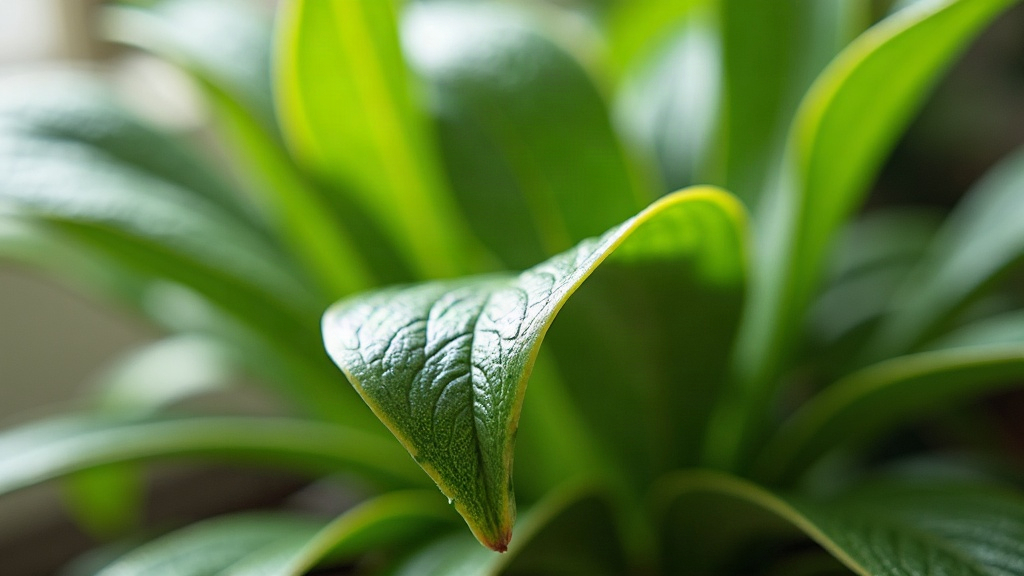
If your ZZ plant has wrinkled, shriveled stems this winter, the cause is almost always one of two things: underwatering, which is an easy fix, or rhizome rot, which can kill the plant if you let it slide. Here’s the thing: these two problems look almost identical at a glance, but they feel completely different the moment you actually touch the stems and dig into the soil. This guide shows you how to tell them apart, fast, and what to do once you know which one you’re dealing with.
Why ZZ Plant Stems Wrinkle in Winter
ZZ plants (Zamioculcas zamiifolia) store water in thick underground rhizomes, which is exactly why they shrug off neglect for most of the year. Winter changes that equation. Shorter days and cooler indoor temperatures push the plant into dormancy, growth slows to a crawl, water uptake drops off, and the plant starts living almost entirely off its rhizome reserves.
That dormancy window is precisely when wrinkled stems show up. It’s also precisely when overwatering turns dangerous, since the plant isn’t pulling moisture the way it does in April or July.
Sign #1: Underwatering (The Easy Fix)
If stems are wrinkling from dehydration, here’s what you’ll usually find:
- Stems feel firm but slightly shriveled, like a grape slowly turning into a raisin
- The wrinkling runs evenly along the whole stem, not bunched up near the soil line
- Soil is bone dry several inches down, sometimes dry all the way to the bottom of the pot
- No smell, no discoloration, nothing mushy anywhere
- Leaflets might look a bit dull or curl inward slightly
How to Fix Underwatering
- Water thoroughly until liquid runs from the drainage holes.
- Let the pot sit for 20 to 30 minutes, then empty the saucer so it isn’t standing in water.
- In winter, only water once the top 2 to 3 inches of soil are completely dry. That often means every 3 to 5 weeks, depending on light levels and room temperature.
- Give it time. Stems typically plump back up within 5 to 10 days as the rhizome rehydrates.
Sign #2: Rhizome Rot (The Serious Problem)
Rhizome rot is a bigger deal, and it’s almost always triggered by overwatering during dormancy, bad drainage, or a pot with no drainage holes at all. Look for:
- Stems that feel soft, mushy, or squishy instead of firm
- Wrinkling bunched up near the base, right where the stems meet the soil
- A sour, musty, or outright rotten smell rising off the soil
- Soil that stays wet for weeks and just won’t dry out
- Yellow leaves dropping in clusters, not one at a time
- Stems that pop off with a light tug instead of putting up any resistance
How to Confirm Rhizome Rot
Gently pull the plant out of its pot and check the rhizomes directly:
- Healthy rhizome: firm, pale tan to light brown, no odor at all
- Rotten rhizome: dark brown or black, mushy, feels hollow, smells bad
How to Treat Rhizome Rot
- Remove the plant from its soil and rinse the rhizomes under clean water.
- With a sterilized knife, cut away every bit of black or mushy tissue until you hit firm, healthy flesh. Don’t leave any soft spots behind, even small ones.
- Let the remaining healthy rhizomes air-dry for 24 to 48 hours somewhere shaded and ventilated. That callus layer is what keeps the cut from getting reinfected.
- Repot in fresh, fast-draining succulent or cactus mix. Never reuse the old soil, even if it looks fine.
- Use a pot with drainage holes. No exceptions here, ever.
- Wait 7 to 10 days before watering again after repotting.
If more than 70% of the rhizome mass has already rotted, honestly, don’t bother trying to save the whole root system. Take a healthy leaf or stem cutting and propagate from that instead. It’s a more reliable bet.
Preventing Both Problems This Winter
- Cut your watering frequency in half once indoor temperatures drop below 65°F (18°C).
- Check soil moisture with a finger or a moisture meter, never on a fixed calendar schedule.
- Keep ZZ plants well away from cold drafts and radiators. Both throw off the plant’s water balance in opposite directions.
- Repot only into dense, well-draining mixes. Regular potting soil holds onto too much moisture for a dormant plant to handle.
Quick Comparison Table
| Symptom | Underwatering | Rhizome Rot |
|---|---|---|
| Stem texture | Firm, shriveled | Soft, mushy |
| Location of wrinkling | Along whole stem | Near base |
| Smell | None | Sour/rotten |
| Soil | Bone dry | Wet or soggy |
| Fix | Water thoroughly | Cut rot, repot dry |
Conclusion
A wrinkled ZZ plant stem stops being a mystery once you know what to actually check. Firm, dry, odorless wrinkling just means your plant is thirsty and dormant, so water it and give it a week or two. Soft, smelly, mushy stems near the soil line mean rot has set in, and that calls for quick action: cut out the damaged tissue and repot into dry, well-draining soil before it spreads further. Spotting the difference early is really the single biggest factor in whether your ZZ plant comes roaring back by spring or doesn’t make it at all.