Bird of Paradise Leaves Splitting Indoors: Normal or a Problem?
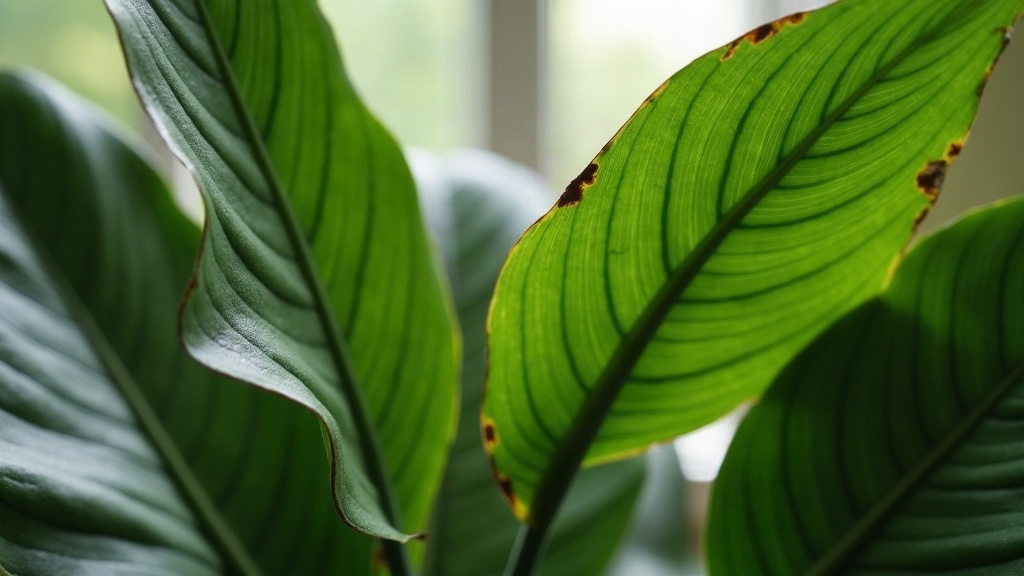
If your bird of paradise (Strelitzia) leaves are splitting into fringe-like sections, don’t panic. In most cases this is completely natural growth, not damage. Splitting mimics how the plant behaves in the wild, where wind tears the broad leaves to reduce resistance and keep the plant from toppling over. Indoors, splitting can still happen naturally, but it can also signal that humidity is too low or the plant is under some kind of stress. Here’s how to tell the difference, and what to do about it.
Why Bird of Paradise Leaves Split Naturally
In their native tropical habitat, bird of paradise plants grow huge, paddle-shaped leaves that would act like sails in strong wind if they stayed solid. Picture a two-foot-wide leaf catching a 30 mph gust. Something has to give. Over generations, evolution favored leaves that split along the veins, letting air pass through instead of snapping the stem or uprooting the whole plant.
Signs that splitting is natural and nothing to worry about:
- The splits run cleanly along the leaf veins (not jagged or random)
- The rest of the leaf looks healthy: rich green, firm, no browning
- New leaves still unfurl normally
- The plant is actively growing, putting out new shoots
- Splitting shows up on older, mature leaves rather than new growth
This kind of splitting is simply baked into the plant’s genetics. It’s considered a sign of a mature, healthy specimen, and honestly, some growers even like the look. One grower I know calls her split-leaf Strelitzia “the fern that grew up.”
When Splitting Signals a Problem
Not all splitting is harmless, though. If you notice any of the following alongside the splits, something in the plant’s environment probably needs adjusting.
1. Low Humidity
Bird of paradise plants come from humid subtropical regions and prefer humidity above 50%. Indoors, especially with heating or AC running, humidity can drop to 20-30%, which turns leaf edges brown and crispy before or during splitting. Unlike natural wind-splits, low-humidity splits usually come paired with dry, curling edges.
Fix: Run a humidifier near the plant, group it with other plants, set a pebble tray with water underneath, or mist occasionally (though misting alone won’t do much on its own).
2. Inconsistent Watering
Swinging between bone-dry soil and soggy overwatering stresses the leaf tissue, making it more prone to tearing or splitting the wrong way. Usually you’ll also see yellowing or drooping around the same time.
Fix: Water deeply once the top 2-3 inches of soil are dry, then let the excess drain fully. A set schedule beats watering only when you remember.
3. Insufficient Light
Bird of paradise wants bright, indirect light, ideally near an east- or south-facing window. In low light, leaves grow thinner and weaker, which makes them easier to tear from ordinary handling, or even just airflow from a fan or AC vent.
Fix: Move the plant closer to a bright window, or add a grow light if natural light is limited.
4. Physical Damage
Sometimes a split is nothing more than a cat brushing past, a leaf catching a doorframe during a move, or the plant sitting too close to a drafty vent. This kind of splitting is irregular and ignores the leaf veins completely.
How to Tell Natural vs. Stress-Related Splits at a Glance
| Natural Splitting | Stress-Related Splitting |
|---|---|
| Follows vein lines cleanly | Jagged, random tears |
| Leaf stays green and firm | Edges brown, curl, or yellow |
| Happens on older leaves | Can happen on new growth too |
| Plant is otherwise thriving | Other symptoms present (drooping, spots) |
Should You Trim Split Leaves?
You don’t need to cut off split leaves. Splitting doesn’t meaningfully hurt the plant’s ability to photosynthesize. Only trim a leaf once it’s more than half damaged, browning throughout, or dying back from the stem. Use clean, sharp scissors and cut at the base of the leaf stalk, not halfway up.
Quick Care Checklist for a Healthy Bird of Paradise
- Bright, indirect light for at least 6 hours a day
- Humidity above 50% (humidifier or pebble tray recommended)
- Water when the top soil is dry; avoid soggy or bone-dry extremes
- Repot every 1-2 years into fresh, well-draining soil
- Keep away from cold drafts and heating/AC vents
Conclusion
Most of the time, split leaves on an indoor bird of paradise are just natural growth, a built-in survival trait rather than a sign of poor care. But if the splits show up with brown, crispy edges, erratic watering habits, or weak, thin growth, low humidity or environmental stress is likely the real culprit. Dial in the humidity, light, and watering, and your plant will keep producing strong, healthy, and yes, elegantly split, leaves for years to come.