Pothos Aerial Roots Turning Brown and Crispy: Humidity or Age?
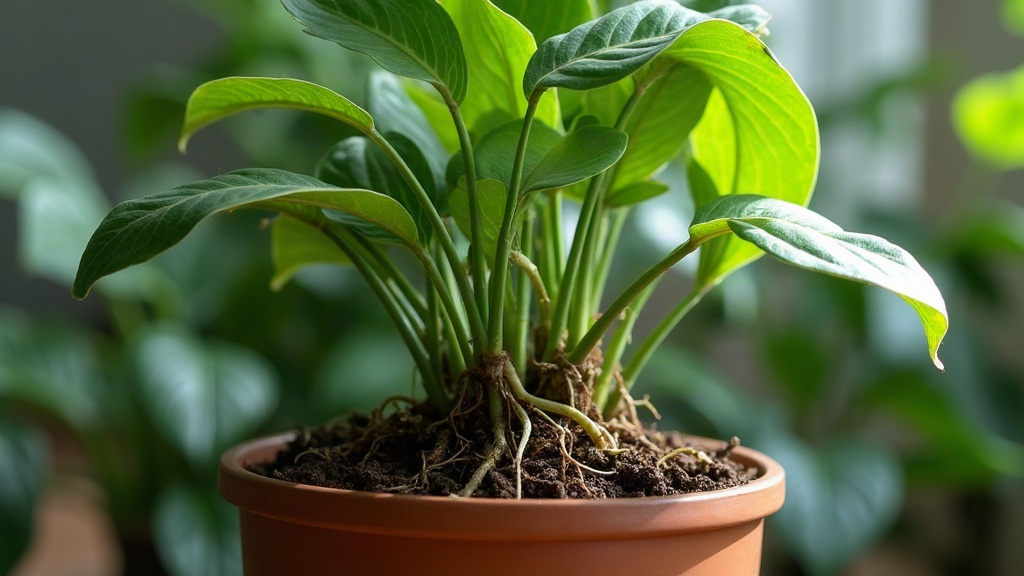
Why Are My Pothos Aerial Roots Turning Brown and Crispy?
If those little nub-like roots sprouting from your pothos stems have gone brown, dry, and brittle, don’t panic. Nine times out of ten it’s just low humidity mixed with normal aging, not some looming plant disaster. Pothos (Epipremnum aureum) grows aerial roots for a reason: they help the vine grab onto surfaces and pull extra moisture out of the air. When that air turns dry, or when a root has basically finished its job, it hardens up, browns over, and gets crispy to the touch. Harmless, most of the time. Still, a few situations are worth checking so you don’t miss an actual problem.
The Two Main Causes
1. Low Humidity (Most Common)
Aerial roots pick up on moisture levels fast. Run central heating or AC in your home and humidity can easily dip below 30%, nowhere near the 50-70% range pothos actually wants for those roots to stay healthy.
Signs it’s humidity-related:
- Several aerial roots browning at once, often right around winter
- Roots feel dry and paper-thin, not soft or mushy
- Leaf edges might go slightly crispy too
- The pot sits near a heater, an air vent, or a drafty window
Fix it:
- Mist the stem nodes 2-3 times a week (skip soaking the leaves constantly, that invites fungal trouble)
- Run a small humidifier nearby
- Cluster your plants together, they create their own little microclimate
- Set a pebble tray with water under the pot (just don’t let the roots sit directly in it)
2. Natural Aging (Completely Normal)
Aerial roots don’t stick around forever. Once one has latched onto something, soaked up what moisture it could, or simply run its course, it dries up, browns, and turns brittle on its own. You’ll see this most on older growth near the base of the plant, far from the tip that’s actively pushing out new leaves.
Signs it’s just aging:
- Only one or two roots look affected, usually on older stems
- Everything else on the plant looks fine, bright leaves, fresh growth up top
- That root already grabbed onto a pole, wall, or moss support
- No softness, no bad smell, nothing creeping onto the stems or leaves
What to do: Honestly, nothing. Snip the dried root off with clean scissors if it bothers you visually, but leaving it in place won’t hurt the plant one bit.
How to Tell the Difference From a Real Problem
Brown aerial roots only become a red flag when other symptoms tag along:
- Mushy, black, or slimy roots (instead of dry and crispy) point to overwatering or root rot down at the soil level. Check the main root ball right away.
- Yellow leaves paired with crispy roots usually means the whole plant is underwatered, not just that the humidity around the aerial roots is low.
- Brown patches creeping onto the stems could signal a bacterial or fungal infection. Isolate the plant and cut away affected areas with sterilized tools.
Should You Cut Off Brown Aerial Roots?
Go ahead, it’s perfectly safe. Grab clean, sharp scissors and snip close to the stem without nicking the node. Trimming dead aerial roots won’t stop new ones from showing up either, pothos keeps generating them at the nodes as the vine grows, and you’ll see even more if you bump up humidity or give it a moss pole to climb.
Preventing Future Browning
- Keep humidity steady in the 50-60% range with a humidifier or regular misting
- Keep the pot away from direct HVAC vents
- Water the soil itself (not just spritz the roots) once the top inch feels dry
- Give the vine something to climb, a moss pole or trellis. Roots that attach to a support stay moister than ones left dangling in open air
Conclusion
Brown, crispy aerial roots on a pothos are almost always a minor cosmetic thing, caused by dry indoor air or just normal aging, not evidence your plant is on its way out. Check for mushiness or spreading discoloration to rule out rot, raise the humidity if the air’s too dry, and trim the old roots whenever you want a tidier look. Keep the moisture consistent, stay patient, and your pothos will keep churning out healthy new growth no matter what.