Chinese Money Plant Leaves Cupping Upward: Light Stress or Deficiency?
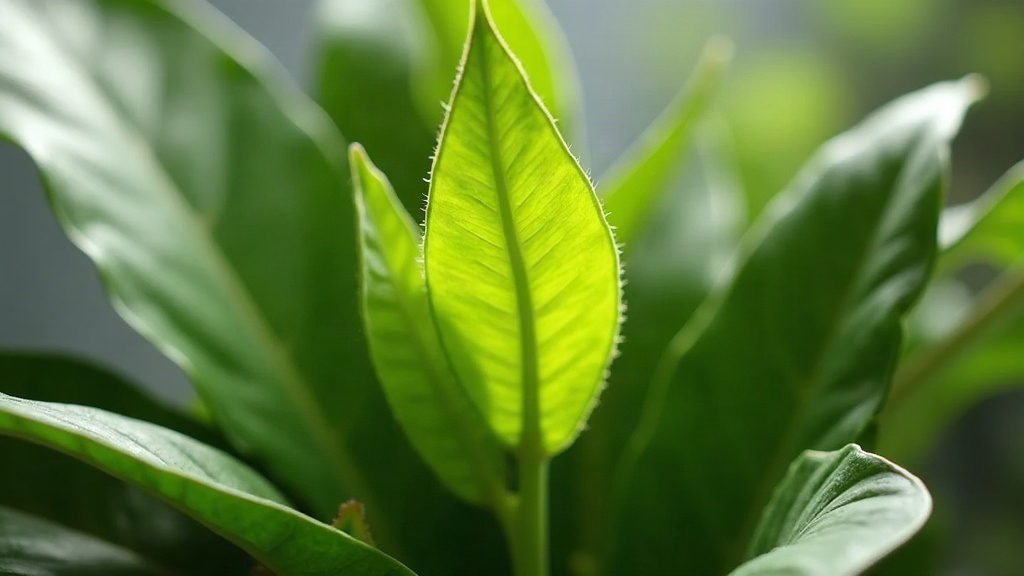
If your Chinese money plant (Pilea peperomioides) has leaves curling up like little bowls, nine times out of ten you’re looking at too much direct light, underwatering, heat stress, or low humidity. Nutrient deficiency can do it too, but it’s way down the list. Here’s the good news: cupping is just your plant waving a small flag, not sounding an alarm. Fix the root cause and most plants snap back within one to two weeks.
Why Pilea Leaves Cup Upward
Cupping is a defense mechanism, plain and simple. By curling its leaves, the plant shrinks its exposed surface area to cut water loss or shield itself from harsh light. Picture it as the plant flinching. Where the cupping shows up, how fast it happened, and what other symptoms tag along, that combination usually tells you exactly what’s going on.
1. Too Much Direct Sunlight
Pilea thrives in bright, indirect light, but direct afternoon sun will scorch it fast, particularly through an unfiltered south- or west-facing window.
Signs to confirm this:
- Cupping shows up mainly on the side facing the window
- Leaves feel a bit crispy, or you spot pale, bleached patches
- The trouble started right after you moved the plant closer to a light source
Fix: Pull the plant back 2–3 feet from the window, or hang a sheer curtain to soften the light. Give the pot a quarter turn once a week so it doesn’t grow lopsided.
2. Underwatering or Inconsistent Watering
Let the soil dry out completely between waterings and the leaves will cup up to hang onto whatever moisture is left.
Signs to confirm this:
- Soil is bone-dry more than an inch down
- Leaves feel thin and slightly soft, drooping before they cup
- The pot feels lighter in your hand than it used to
Fix: Water deeply until it runs out the drainage holes, then wait until the top 1–2 inches of soil dry out before watering again. Don’t let the pot sit in a saucer full of water either, that stresses the roots just as much.
3. Heat Stress or Low Humidity
Hot, dry air is rough on Pilea, think radiators, heating vents, or an AC unit blasting away all summer.
Signs to confirm this:
- Cupping shows up across the whole plant, not just one side
- Leaf edges look dry or slightly wavy
- Room temp is pushing past 80°F (27°C), or humidity has dropped under 30%
Fix: Move the plant away from vents and radiators. A small humidifier, or just a pebble tray with water sitting under the pot, keeps humidity up without the risk of overwatering.
4. Nutrient Deficiency (Less Common)
A real nutrient shortage causing cupping is rare in Pilea, usually only showing up if the plant hasn’t been repotted or fed in over a year. When it does happen, it’s typically a nitrogen or potassium shortfall.
Signs to confirm this:
- The older, lower leaves fade to pale yellow-green before cupping starts
- Growth has clearly slowed down or stalled
- You haven’t fertilized in 6+ months, even during the active growing season
Fix: Feed with a balanced, diluted liquid fertilizer (something like 10-10-10 at half strength) every 4–6 weeks through spring and summer. Skip fertilizing in winter when the plant’s dormant; it won’t help and can actually add to the stress.
Quick Diagnostic Checklist
| Symptom | Likely Cause |
|---|---|
| Cupping on sunny side only | Direct light exposure |
| Dry soil + cupping | Underwatering |
| Cupping + dry/wavy edges | Heat or low humidity |
| Yellowing older leaves + cupping | Nutrient deficiency |
| Cupping + dark, mushy leaves | Overwatering (different issue) |
How to Prevent Future Cupping
- Keep Pilea in bright, indirect light. An east-facing window works great
- Check the soil before you water instead of sticking to a fixed schedule
- Try to keep humidity above 40%
- Fertilize lightly, and only during spring and summer
- Turn the pot now and then so light hits all sides evenly
When to Worry
A little temporary cupping that clears up once you fix the care routine is totally normal, nothing to lose sleep over. What should raise a flag is cupping paired with leaf drop, black spots, or mushy stems. That combo points to root rot or pests, not just an environmental hiccup.
Conclusion
Cupped leaves on a Chinese money plant are almost always fixable, and almost always come down to light, watering, or heat and humidity rather than nutrients. Watch the pattern of symptoms, change one thing at a time, and give the plant a week or two to show you it’s working. Keep the care steady and moderate, and Pilea peperomioides will go right back to its signature flat, round leaves.