Spider Plant Leaf Tip Burn: Fluoride, Salt Buildup, or Sunburn?
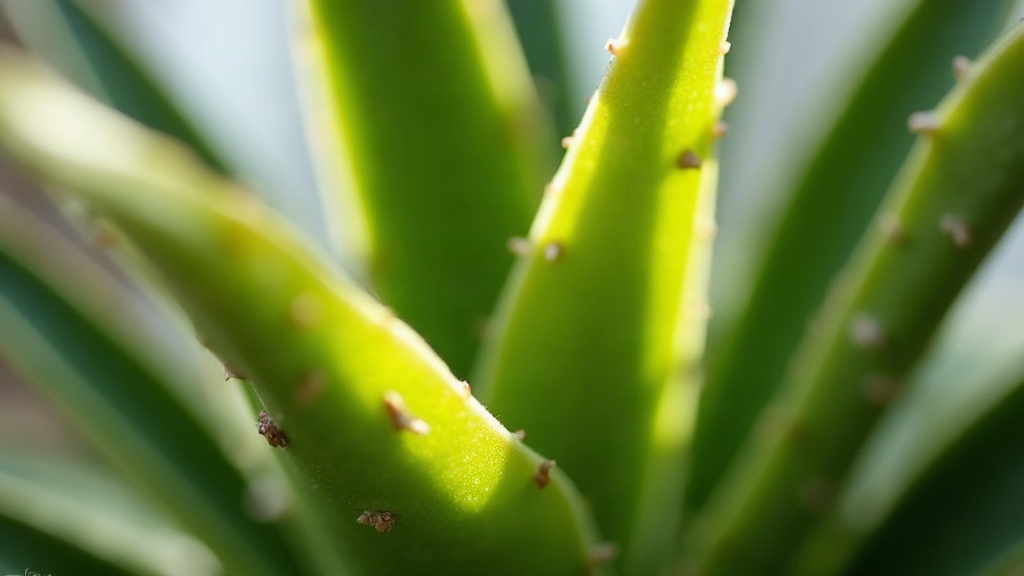
Brown, crispy tips on a spider plant almost always come down to one of three things: fluoride sensitivity, mineral salt buildup, or too much direct sun. The good news? Spider plants are pretty forgiving. Once you figure out what’s causing the damage, you can stop it from spreading, and the new growth that comes in afterward can look totally clean.
Why Spider Plants Get Tip Burn So Easily
Spider plants (Chlorophytum comosum) are famously picky about water quality, more so than a lot of other common houseplants. Their leaves are long and thin, with not much tissue to absorb or buffer stress. So when something’s off, it shows up fast, and it shows up at the tips first, since that’s the point farthest from the roots and the last stop for water and nutrients.
Cause #1: Fluoride Damage
Most city tap water has fluoride added to it, and spider plants happen to be one of the most fluoride-sensitive houseplants you can own.
How to spot it:
- Tips turn brown or tan, often with a faint yellow “halo” ringing the burned patch
- The damage tends to run evenly along the leaf margin, not in random blotches
- New leaves come in looking healthy at first, then develop browned tips weeks later as fluoride slowly builds up in the soil
Fix it:
- Switch to distilled water, rainwater, or tap water left sitting out for 24 to 48 hours (this lets chlorine evaporate, though it won’t touch the fluoride)
- Flush the soil every 2 to 3 months: run plain water through the pot until it drains freely from the bottom, and repeat that 3 or 4 times in one sitting
- Skip fertilizers with superphosphate in them. It’s a common hidden source of fluoride
Cause #2: Salt and Mineral Buildup
Tap water, fertilizer residue, even softened water (which is loaded with sodium) all leave mineral salts behind as the water evaporates from the soil. Give it enough time and those salts accumulate to the point where they start burning root tips, and that damage travels up to show as browning at the leaf tips.
How to spot it:
- A white, crusty film on top of the soil or ringing the drainage holes
- A chalky white or gray crust building up on the outside of terracotta pots
- Tip burn that’s worse on the older, lower leaves than the new growth
- Symptoms that keep creeping in slowly, even if you haven’t changed a thing about your watering habits
Fix it:
- Flush the pot with room-temperature water, using about 2 to 3 times the pot’s volume, and let it all drain out
- Physically scrape off any salt crust you see on the soil surface or pot rim
- Ease up on fertilizer. Spider plants barely need it: feed at half-strength once a month, only during spring and summer, and skip it entirely in fall and winter
- If buildup keeps coming back year after year, repot into fresh soil annually
Cause #3: Sunburn
Spider plants like bright light, but indirect. Put one in direct afternoon sun, especially behind an unshaded south- or west-facing window, and the leaf tissue can scorch.
How to spot it:
- Patches that look bleached, white, or straw-colored rather than crisp brown at the edges
- Damage concentrated on whichever side of the plant faces the light
- Burn spots that show up mid-leaf, not just at the very tip
- Damage that appears almost overnight, within a day or two of a light change (say, you moved the plant, or the weather turned unusually sunny)
Fix it:
- Pull the plant back a few feet from the window, or hang a sheer curtain between it and the glass
- East-facing windows, or anywhere with bright but filtered light, work best
- Once you’ve relocated it, give the pot an occasional quarter-turn so growth stays even
Quick Comparison Table
| Symptom | Likely Cause |
|---|---|
| Even brown tips with yellow halo, gradual onset | Fluoride |
| White soil crust, brown tips on older leaves | Salt buildup |
| Bleached/white patches, sudden appearance, one-sided | Sunburn |
General Prevention Tips
- Water only once the top 1 to 2 inches of soil feel dry. Both under- and overwatering stress the roots and make tip burn worse either way
- Always use pots with drainage holes, and never let a plant sit in a saucer of standing water
- Trim off the already-browned tips with clean scissors if the look bothers you. It won’t undo the damage, but it keeps the plant tidy and stops the dead tissue from spreading further into the leaf
- If your home runs dry, especially in winter with the heat on, bump up the humidity a bit. Low humidity makes tip browning worse no matter what caused it in the first place
Conclusion
Once you look closely, spider plant tip burn usually isn’t much of a mystery. Fluoride causes slow, even browning. Salt buildup comes with that telltale white crust on the soil. Sunburn shows up suddenly, as bleached patches on whichever side faces the light. Match what you’re seeing to the right cause, adjust your water source, your flushing schedule, or where the pot sits, and within a few weeks the new growth coming in should be clean and green again.