Yellowing Leaves on Pothos in Winter: Low Light vs Overwatering
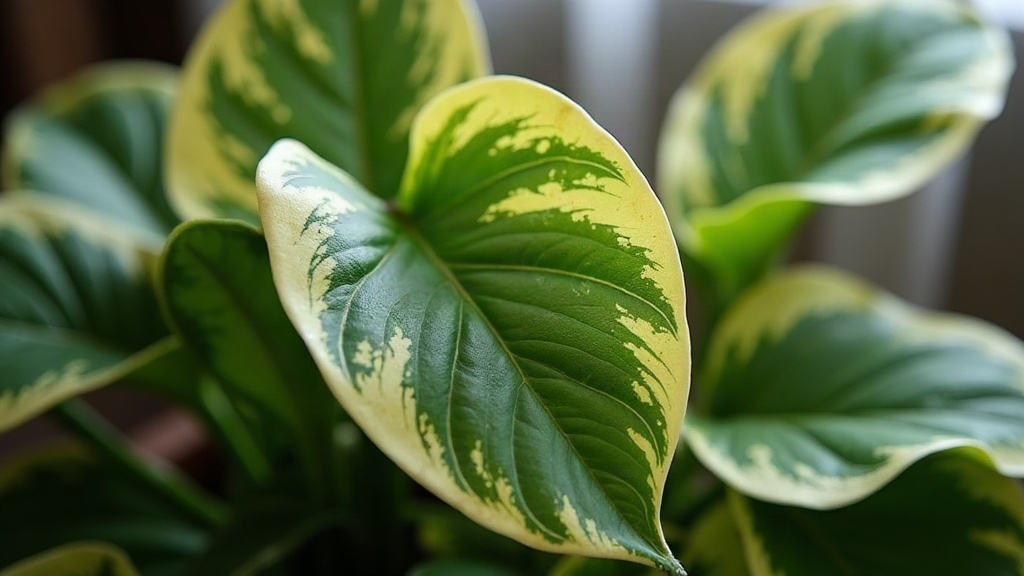
Yellowing leaves on a pothos in winter almost always trace back to one of two culprits: not enough light, or too much water sitting in the soil. The good news? Once you know what to look for, both are simple to diagnose, and both are fixable before your plant sheds any more foliage.
Why Winter Makes Pothos More Vulnerable
Pothos (Epipremnum aureum) is a tough plant, but winter rewrites the rules a bit. Days get shorter, sunlight weakens even right next to windows, indoor heating dries out the air, and growth slows to a crawl. That slower growth means the plant needs less water than it did back in July. Problem is, most people keep watering on autopilot, same schedule as summer, and that’s exactly where things go sideways.
Step 1: Look at Where and How the Yellowing Appears
The pattern of yellowing tells you almost everything you need to know.
Signs It’s Low Light
- Yellowing is gradual and even, often starting with older, lower leaves
- Leaves may look pale or faded, or lose their variegation (white/yellow patterns fade into solid green, or occasionally the reverse)
- New growth comes in smaller than usual, or stalls out entirely
- Vines start looking “stretched,” with noticeably more space between leaves (classic leggy growth)
- Soil takes forever to dry out, simply because the plant isn’t drinking much
Signs It’s Overwatering
- Yellowing shows up fast, sometimes hitting several leaves at once
- Leaves feel soft, mushy, or droopy before they even turn yellow, not crispy like a dry leaf would be
- Yellow patches sometimes look slightly translucent or waterlogged
- Soil stays wet for a week or more, or the pot feels unusually heavy
- A musty, sour smell drifting up from the soil (an early red flag for root rot)
- Brown, mushy spots forming at the base of the stems
Step 2: Check the Soil and Roots
Stick a finger about two inches into the soil. That’s really all it takes to get a first read.
- Bone dry and the pot feels light → probably a light issue, though occasionally underwatering (rare in winter, but worth ruling out).
- Wet, cold, or soggy soil that hasn’t dried out in over a week → overwatering, most likely.
Still not sure? Slide the plant gently out of its pot and take a look at the roots.
- Healthy roots: white or light tan, firm to the touch.
- Rotting roots: brown or black, slimy, and often smelling off.
Root rot from overwatering is, hands down, the most common way pothos die in winter. So if yellowing is spreading quickly, this check is worth the five minutes it takes.
How to Fix Low-Light Yellowing
- Move the plant closer to a window. An east- or south-facing spot works best during the darker months.
- Wipe the dust off the leaves. Dusty foliage soaks up noticeably less light than clean leaves.
- If natural light is thin, consider a small grow light running 6-8 hours a day.
- Hold off on fertilizer until light improves. Feeding a light-starved plant doesn’t help, and can actually stress it more.
- Save the pruning for spring: trim leggy vines then to push fuller, bushier regrowth.
How to Fix Overwatering Damage
- Let the soil dry out completely before watering again. In winter that can mean 10 to 14 days, sometimes longer.
- Check drainage. Make sure the pot has a hole in the bottom and isn’t parked in a saucer full of standing water.
- If roots are mushy or blackened, snip away the rotten bits with clean scissors and repot into fresh, well-draining soil.
- Cut back on watering frequency overall through winter. In low light and cooler temps, pothos barely drink.
- Skip the fertilizer until spring, when active growth kicks back in.
A Simple Winter Watering Rule
Forget the fixed schedule. Check first, every time: push a finger 1-2 inches into the soil, or just lift the pot to feel its weight. Water only once the top half of the soil has dried out. This one habit alone prevents most winter yellowing before it even starts.
When to Worry (and When Not To)
One or two yellow leaves near the bottom of an otherwise thriving vine? Totally normal, pothos naturally drop their oldest leaves as they age. The time to actually act is when yellowing spreads fast, shows up everywhere at once, or comes paired with mushy stems and soggy soil.
Conclusion
Winter yellowing on pothos usually boils down to one of two things: not enough light, or too much water. Once you know the signs, telling them apart is easy. Gradual, even fading points to light. Sudden, soft, waterlogged-looking leaves point to overwatering. Check the soil, inspect the roots if something feels off, adjust how often you water, and find your plant a brighter corner of the room. Make those small corrections, and most pothos bounce back within a few weeks, ready to take off again once spring brings longer days.