Why Your Peace Lily Wilts Despite Wet Soil: Root Rot or Compacted
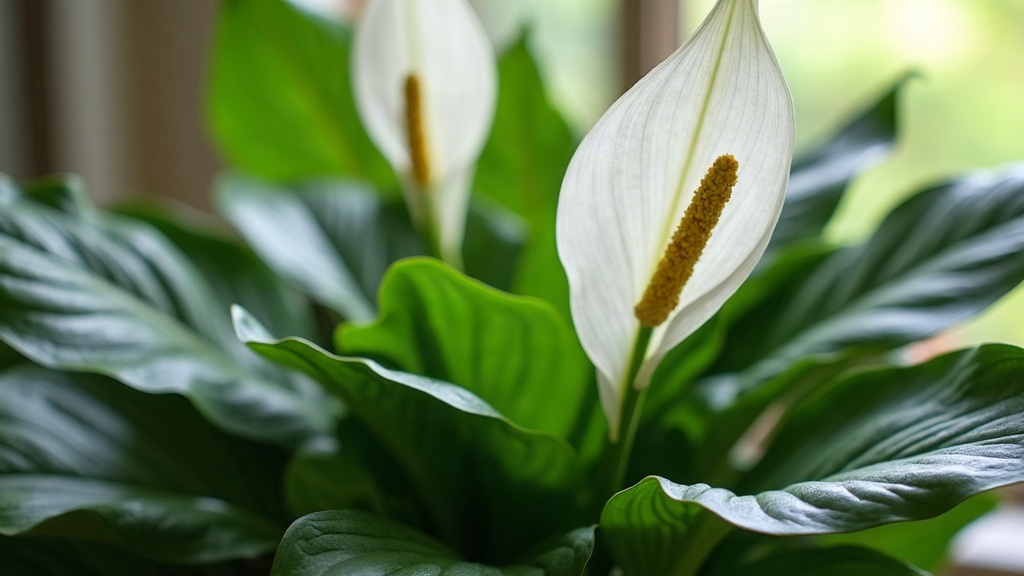
If your peace lily is drooping even though the soil feels wet or soggy, the problem usually isn’t thirst, it’s the roots. Wilting despite moist soil almost always points to one of two culprits: root rot from overwatering, or compacted, rootbound roots that can no longer absorb water properly. Here’s how to tell them apart, and what to actually do about each.
Why “Wet Soil = Healthy Plant” Is a Myth
Peace lilies (Spathiphyllum) are famous for dramatic drooping when thirsty. A leaf flops over, you water it, it perks back up an hour later. That instant feedback loop trains owners to reach for the watering can the second a leaf looks sad. But water again while the soil’s still damp, and you’re setting up a cycle that damages roots instead of helping them.
Roots need oxygen just as much as they need water. Soil that stays saturated suffocates them, plain and simple. Damaged roots can’t move water into the plant anymore, so it wilts anyway, even sitting in mud. That’s the cruel trick of this plant: it can look bone-dry in symptoms while the pot underneath is basically a swamp.
Cause #1: Root Rot
Root rot develops when roots sit in waterlogged soil for extended periods, which gives fungal pathogens (commonly Phytophthora or Pythium) the opening they need to attack root tissue.
Signs of root rot:
- Soil smells sour, musty, or like rotten eggs
- Leaves turn yellow, then brown, often starting at the base
- Stems feel mushy or soft near the soil line
- Roots (when checked) are brown or black, mushy, and slip off easily when touched. Healthy roots, by contrast, are firm and white or tan
- Wilting persists no matter how much you water, which is usually the tell that gives it away
How to fix root rot:
- Remove the plant from its pot and gently rinse the soil off the roots.
- Trim away all brown, mushy, or foul-smelling roots with sterilized scissors. Don’t be shy about it.
- If more than half the root system is damaged, trim back some foliage too, so the remaining roots aren’t stretched thin trying to support leaves they can’t feed.
- Repot into fresh, well-draining potting mix (add perlite or orchid bark if your current mix holds onto water too long).
- Use a pot with drainage holes. This part isn’t optional for peace lilies.
- Going forward, water only when the top 1-2 inches of soil are dry.
Cause #2: Compacted or Rootbound Roots
Sometimes the roots are perfectly healthy, just crowded. They’ve grown into a dense, tangled mass with no room left to actually absorb water. This shows up a lot in plants left in the same pot for two years or more, or in soil that’s been compacted so long it’s lost all its structure.
Signs of compacted roots:
- Water runs straight through the pot and out the drainage holes almost immediately, a giveaway that there’s more root in there than soil
- Roots visible circling the surface or poking out of the drainage holes
- The plant dries out unusually fast, yet still wilts between waterings
- Soil looks wet on top, but the root ball itself feels dry when you dig in a finger
- The plant has sat in the same pot for a long stretch without repotting
How to fix compacted roots:
- Remove the plant and inspect the root ball. If it’s a dense mass circling the shape of the pot, that’s your rootbound plant.
- Gently loosen the outer roots with your fingers. For severe cases, make a few shallow vertical cuts to nudge growth outward again.
- Repot into a container that’s 1-2 inches larger in diameter, using fresh, aerated potting mix.
- Break up the old, compacted soil still clinging to the roots so water can actually reach them once it’s in there.
- Water thoroughly after repotting and let the excess drain all the way out.
Quick Diagnostic Checklist
| Symptom | Root Rot | Compacted Roots |
|---|---|---|
| Soil smell | Sour/rotten | Normal |
| Roots when checked | Brown, mushy | Firm, tangled |
| Water drainage | Slow, soggy | Fast, runs right through |
| Stem base | Soft/mushy | Firm |
| Time in same pot | Any | Usually 2+ years |
How to Prevent This Long-Term
- Check before watering: stick a finger 2 inches into the soil and only water if it comes out dry.
- Repot every 12-18 months with fresh, well-draining mix, even if the plant “looks fine.”
- Use pots with drainage holes, always. Decorative cover pots are fine, just make sure the inner pot actually drains into something.
- Never let the pot sit in a saucer of standing water. Empty it out after 20-30 minutes if you forget.
- Fertilize lightly during the growing season. Poor root health tends to get worse when it’s paired with a nutrient imbalance.
Conclusion
A wilting peace lily sitting in wet soil is telling you the roots, not the watering can, need attention. Pull the plant out and take a look. Mushy, foul-smelling roots mean rot, and that calls for trimming plus a fresh, drier mix. A dense, tangled root ball that drains too fast means it’s time to size up the pot and loosen things up. Either way, the fix starts below the soil line, not with more water on top.