How to Treat Fungus Gnats in Indoor Ferns Without Repotting
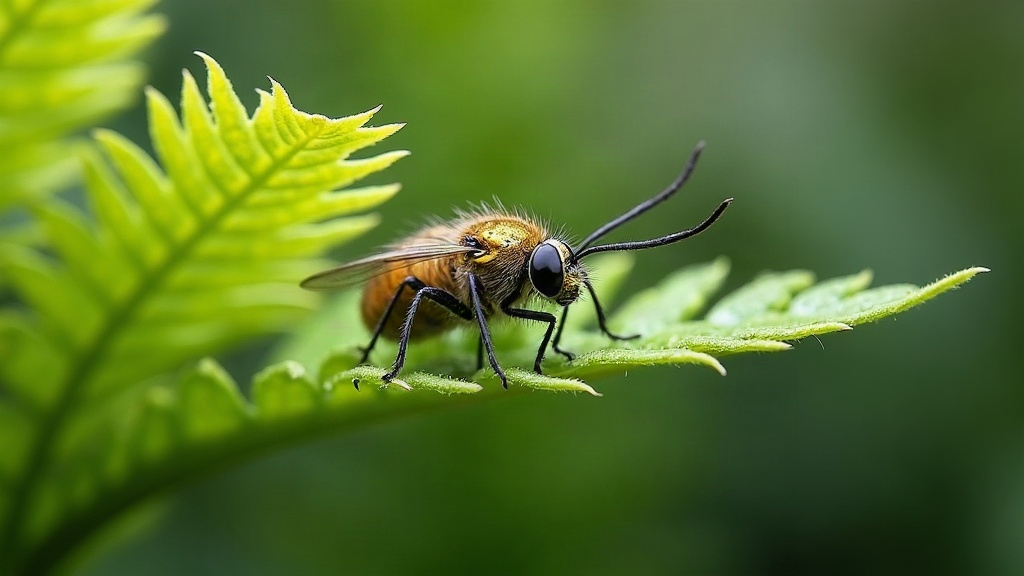
Small black flies bouncing around your fern’s soil? That’s almost certainly fungus gnats, and here’s the good news: you don’t have to yank the plant out of its pot to fix it. The quickest route without repotting is a three-part combo: dry out the top layer of soil, trap the adults, and drench the soil with something like BTI or hydrogen peroxide to kill off larvae, all without touching the roots.
Why Ferns Get Fungus Gnats So Easily
Honestly, it’s kind of our own fault. The way we care for ferns creates the exact conditions fungus gnats love: soil that stays moist and rich in organic matter for days on end.
- Ferns like damp soil, which keeps the surface wet far longer than most other houseplants would tolerate.
- Peat-based mixes, the standard for ferns, hold onto moisture and organic debris, basically a buffet for gnat larvae.
- Low light plus humidity trays, a common fern setup, creates a warm, damp microclimate that’s perfect for breeding.
The larvae camp out in the top 2 inches of soil, munching on fungi, root hairs, and decaying bits of organic matter. Adults won’t hurt you or your fern directly, they’re more of a nuisance, but a bad infestation can stress out young or already-weak roots.
Step 1: Let the Soil Surface Dry Out
No repotting needed here. Just make that top inch or two of soil a place gnats don’t want to be.
- Water only when the top 1 to 2 inches feel dry when you poke a finger in.
- Don’t let water sit in the saucer or humidity tray for more than half an hour.
- If your fern is the thirsty type (Boston ferns come to mind), water from the bottom instead. That keeps the roots hydrated while the surface stays drier.
Once the top soil dries out consistently, most gnat eggs and larvae die off within a few days. They simply can’t survive without that moisture.
Step 2: Use Yellow Sticky Traps
These won’t fix the underlying problem, but they matter more than people think. Every adult you catch is one that won’t lay another 100 eggs.
- Slide 2 to 3 yellow sticky cards in horizontally, right above the soil line.
- Swap them out every 1 to 2 weeks, or sooner if they’re plastered with gnats.
- Check the count daily. If the numbers are dropping, you’re winning the battle.
Step 3: Apply a Soil Drench
This is the part that actually kills the larvae living in the soil, and it won’t disturb the roots at all.
Option A: BTI (Bacillus thuringiensis israelensis)
- Sold under names like “Mosquito Bits.”
- Soak a tablespoon of the granules in water for about 30 minutes, then use that water to water your fern.
- Repeat every 5 to 7 days for 3 weeks straight. That timeframe covers multiple generations of gnats, not just the current batch.
Option B: Hydrogen Peroxide Drench
- Mix 1 part 3% hydrogen peroxide with 4 parts water.
- Pour it right onto the soil until it runs out the drainage holes.
- You’ll hear it fizz on contact with larvae and organic matter. It then breaks down into plain water and oxygen, so it’s safe for roots.
Option C: Cinnamon Topping
- A light dusting of ground cinnamon on the soil surface acts as a mild antifungal barrier and makes the environment less appealing for larvae to feed in.
Step 4: Add a Layer of Sand or Diatomaceous Earth
Skip the repotting and just top-dress what’s already there.
- Spread about a ¼-inch layer of fine horticultural sand, diatomaceous earth, or aquarium gravel over the soil.
- It physically keeps adult gnats from reaching the moist soil underneath to lay eggs, and it dries out quickly between waterings.
- Bonus: it also blocks larvae from surfacing to pupate.
What Not to Do
- Don’t dump pesticide on the fern hoping for a one-shot fix. Gnat eggs hatch in waves, so you need 3 to 4 weeks of consistent treatment, not a single blast.
- Don’t use chemical foggers indoors near ferns. These plants are sensitive, and residue buildup can cause leaf tip burn.
- Don’t ignore the humidity tray. Standing water in trays is one of the most common reasons gnats come back even after you’ve treated the soil.
When Repotting Becomes Necessary
If you’ve kept up the treatment for 3 to 4 weeks and the gnats are still hanging around, or you start noticing a sour smell, visible mold, or mushy roots, the soil has probably degraded past the point of saving. At that stage, repotting into a fresh, well-draining fern mix (peat, perlite, and orchid bark) is genuinely the better long-term move.
Quick Recap Checklist
- Let the top 2 inches of soil dry out between waterings.
- Set yellow sticky traps near the soil surface.
- Drench the soil with BTI or hydrogen peroxide weekly for 3 weeks.
- Top-dress with sand or diatomaceous earth to block egg-laying.
- Empty humidity trays and saucers on a regular basis.
Conclusion
Fungus gnats on an indoor fern are annoying, sure, but they’re very fixable without ever repotting. Dry out the soil surface, trap the adults, drench the larvae with BTI or peroxide, and add a protective top layer. Do all four and most infestations clear up in three to four weeks. Save repotting for the cases where the soil itself has broken down too far to bring back.