Why Does My Calathea Curl Its Leaves at Night and Not Unfurl by
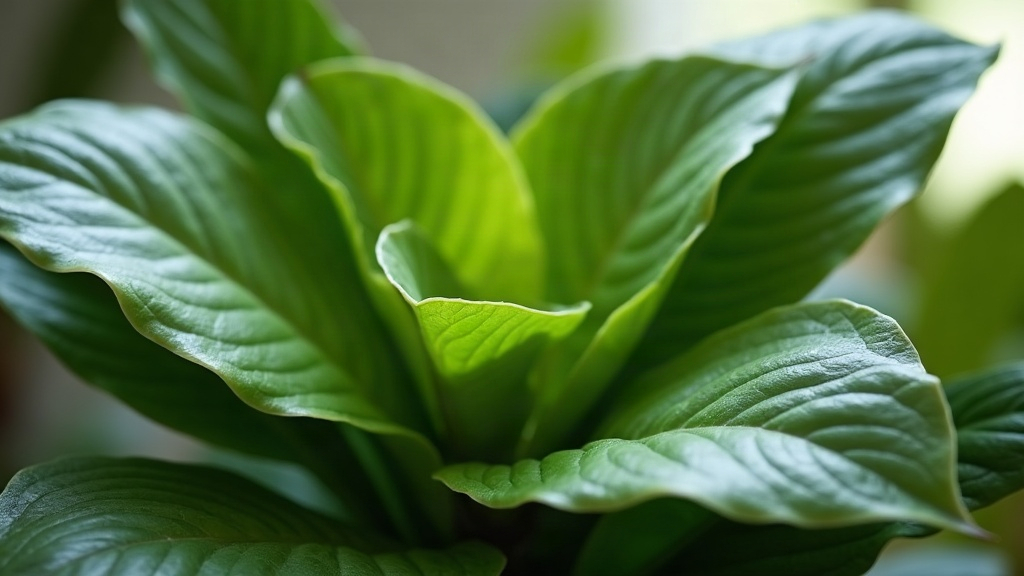
If your calathea folds its leaves up every evening like clockwork, don’t panic. That’s nyctinasty, the plant’s built-in “sleep movement,” and it’s completely normal. But if those leaves are still curled, rolled, or clenched by mid-morning instead of lying flat again, something in the environment is bothering the plant. Usually it comes down to one of four things: low humidity, inconsistent watering, harsh light, or a root system that’s struggling—issues that can also cause houseplant leaves to turn yellow.
Nighttime Curling Is Normal, Here’s Why
Calatheas (along with their prayer-plant cousins, Maranta and Ctenanthe) have tiny joints at the base of each leaf called pulvini. Think of them as little hinges. They use shifts in water pressure to fold leaves upward at dusk and open them flat again come dawn. In the wild, this movement helps channel dew and rainwater down toward the roots, and it may also cut down on nighttime moisture loss. So if you catch your plant “praying” in the evening, that’s just a healthy calathea doing exactly what it’s supposed to do.
The real trouble starts when morning rolls around and the leaves simply won’t open back up.
Why Leaves Stay Curled After Morning
1. Humidity Is Too Low
This is by far the most common culprit. Calatheas evolved under dense rainforest canopy, where humidity regularly sits above 60%. Compare that to the average living room, which hovers around 30-40%, and you can see the problem: the plant loses water through its leaves faster than the roots can resupply it. So it keeps the leaves curled as a defense, even in broad daylight.
Fix:
- Run a humidifier nearby, aiming for 50-60%
- Group plants together to build a shared humid microclimate
- Set the pot on a pebble tray with water (just don’t let the pot sit directly in the water)
- Keep it away from vents, radiators, or drafty windows
2. Watering Inconsistency
Calatheas like their soil evenly moist, never bone-dry, never swampy. Swing too far in either direction and the leaves curl as a moisture-saving response.
- Underwatering: soil feels dry 1-2 inches down, and the curled leaves feel thin, sometimes slightly crispy at the edges
- Overwatering: soil stays wet for days on end, curling shows up alongside yellowing leaves or a musty smell coming from the pot
Fix: Water once the top inch of soil dries out, and use room-temperature filtered or distilled water. Calatheas are notoriously sensitive to fluoride and chlorine, both of which cause brown, crispy tips that only make the curling worse.
3. Too Much Direct Light
Bright, direct sun scorches calathea foliage fast and accelerates water loss, so the leaves roll inward to shrink their surface area, kind of like how a hosta wilts under a full afternoon sun.
Fix: Move the plant into bright, indirect light. A few feet back from an east or north-facing window works well, or try filtered light through a sheer curtain.
4. Root Problems
If humidity and watering both check out but the curling drags on for weeks, look at the roots. A compacted, rootbound plant, or one with roots damaged from overwatering, simply can’t pull up enough water to keep the leaves plump, no matter how humid the room is.
Fix: Gently unpot the plant and take a look. Healthy roots are firm and white or tan. Mushy, brown, foul-smelling roots mean rot has set in, so trim off the damaged parts and repot into fresh, well-draining aroid mix.
Quick Diagnostic Checklist
- Leaves curl at dusk, open by mid-morning → normal, no action needed
- Leaves stay curled all day and feel dry → check humidity and watering frequency
- Curling plus brown, crispy edges → switch to filtered water, raise humidity
- Curling plus yellow leaves or soggy soil → check for overwatering or root rot
- Curling only on the sun-facing side → move the plant out of direct light
Other Contributing Factors
- Fertilizer buildup: Too much fertilizer leaves behind salt deposits that can burn roots and trigger curling. Flush the soil with plain water every couple of months to clear it out.
- Temperature swings: Calatheas hate drafts below 60°F (15°C) or sudden cold snaps near doors and windows.
- Repotting stress: A freshly repotted calathea might curl its leaves for a week or two while the roots settle in. That’s normal and usually resolves on its own.
Conclusion
Nightly leaf curling is just your calathea running its own internal clock, nothing to worry about. The actual red flag is leaves that refuse to relax once the sun’s up, and that almost always traces back to low humidity, uneven watering, harsh light, or root stress. Start with humidity since it’s the most frequent offender, keep your watering schedule consistent and use filtered water, and give the plant bright, indirect light. Get those conditions right and within a week or two you should see the leaves unfurling fully every morning, a pretty reliable sign of a happy, well-settled calathea.