Why Does My ZZ Plant Have Yellow Stems But Green Leaflets?
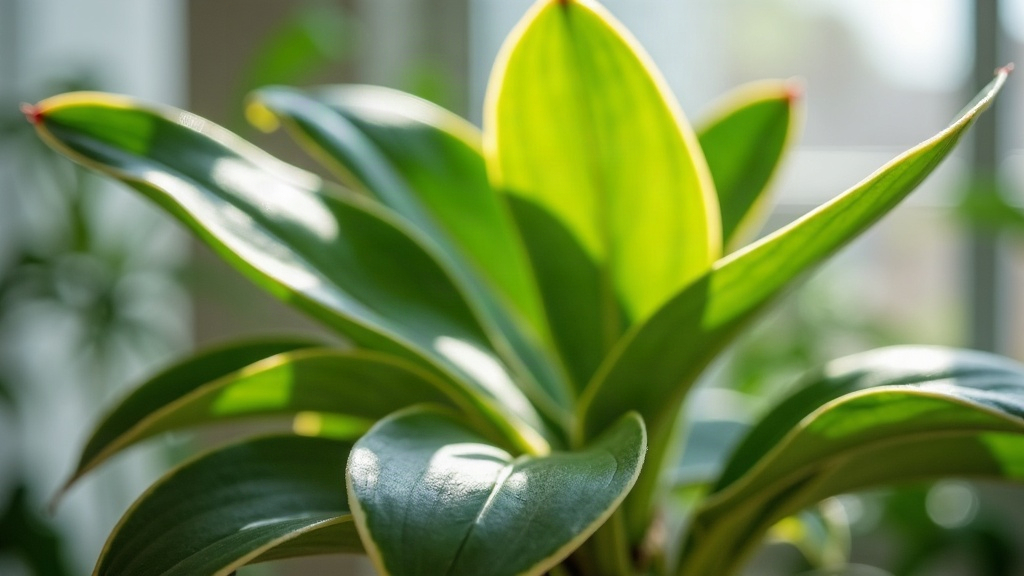
If your ZZ plant (Zamioculcas zamiifolia) has stems turning yellow while the individual leaflets stay glossy green, that’s an odd combination, but it’s telling you something specific. Unlike the more common whole-leaf yellowing, this pattern usually points to stress at the base of the stalk, most often overwatering, root rot getting started, or just a stem naturally being retired. The good news: catch it early and the plant almost always pulls through.
Why This Pattern Is Different From Normal Yellowing
ZZ plants stash water in thick underground rhizomes and in their stems. When something goes sideways at the root or stem-base level, yellowing tends to show up there first and climb upward. The leaflets, being furthest from the trouble, often stay green a while longer. That’s backwards from what most people expect (leaves usually show damage before stems do), and it’s exactly why this symptom trips up so many plant owners.
Most Common Causes
1. Overwatering (the #1 culprit)
At heart, ZZ plants are drought-tolerant succulents. Their rhizomes can hold moisture for weeks at a stretch. If you’re watering on autopilot, every Sunday, say, instead of actually checking the soil, you’re probably giving it too much.
- Symptoms: yellow stems near the soil line, a soft or mushy stem base, soggy potting mix
- Fix: Let the soil dry out completely between waterings. Water only when the top 2-3 inches are bone dry, which usually means every 2-3 weeks, and even less often in winter.
2. Early-Stage Root Rot
Keep overwatering and the rhizomes underground start to break down. That shows up as yellowing that creeps up individual stems, one at a time.
- Check: Gently dig around the base, or unpot the plant entirely. Healthy rhizomes feel firm and look white or tan. Rotten ones turn brown or black, go mushy, and smell off (a sour, swampy smell you’ll notice immediately).
- Fix: Cut away rotten rhizome tissue with a clean, sharp blade. Let the cuts callous over for a few hours, then repot in a fresh, fast-draining succulent or aroid mix. Cut back on watering noticeably after that.
3. Natural Aging Stems
Not every yellow stem spells trouble. ZZ plants routinely retire their oldest stems to push energy into new growth instead.
- Signs it’s just aging: only one or two of the oldest, outer stems look affected, while the rest of the plant is healthy and pushing out new shoots.
- Action: Leave it be until it fully yellows and dies back on its own, or snip it at the soil line once it’s mostly yellow, just to tidy things up.
4. Too Much Direct Sunlight
Harsh, direct sun can stress the stems and bleach or yellow them, especially on the side facing a window.
- Fix: Move the plant into bright, indirect light. An east-facing window works well, or a spot a few feet back from a south- or west-facing one.
5. Cold Drafts or Sudden Temperature Drops
ZZ plants really don’t like temperatures below 45°F (7°C), or cold air blowing in from doors and AC vents.
- Fix: Keep the plant well away from drafty windows, exterior doors, or air conditioning vents.
How to Diagnose Which One It Is
- Touch the stem base. Firm means it’s probably fine, or just aging normally. Soft or mushy means rot.
- Check the soil. Wet and heavy days after you last watered? That’s an overwatering issue.
- Count the affected stems. One or two old ones: normal aging. Multiple stems scattered across the pot: a watering or root problem.
- Smell the soil. A sour, rotten odor is a strong sign of root rot, no need to guess further.
Step-by-Step Recovery Plan
- Take the plant out of its pot and inspect the rhizomes.
- Trim away any soft, brown, or black tissue with sterilized scissors or a knife.
- Repot in a well-draining mix (cactus/succulent soil mixed with perlite works nicely) in a pot with drainage holes.
- Water thoroughly once, then hold off until the soil is completely dry before watering again.
- Set it in bright, indirect light, away from cold drafts.
- Watch it for 2-4 weeks. New growth is the clearest sign it’s recovering.
Prevention Tips
- Check soil moisture with a finger or a cheap moisture meter before every watering, don’t just guess.
- Use pots with drainage holes, always, and never let the plant sit in standing water.
- Repot every 2-3 years to refresh the soil and avoid a compacted mix that holds too much water.
- Give it bright, indirect light rather than harsh direct sun or deep shade.
Conclusion
Yellow stems with green leaflets on a ZZ plant are almost always a message from the roots, not the leaves. Most of the time it’s overwatering or early root rot, and the fix is pretty simple: dry the soil out, check the rhizomes, trim any damage, and rethink your watering habits going forward. If it’s just a single old stem while everything else on the plant looks great, don’t panic, that’s normal aging at work. Get the light right and stick to a “wait until dry” watering routine, and your ZZ plant will bounce back with its usual glossy new growth before long.