Why Are My Houseplant Leaves Turning Yellow? 7 Causes & Fixes
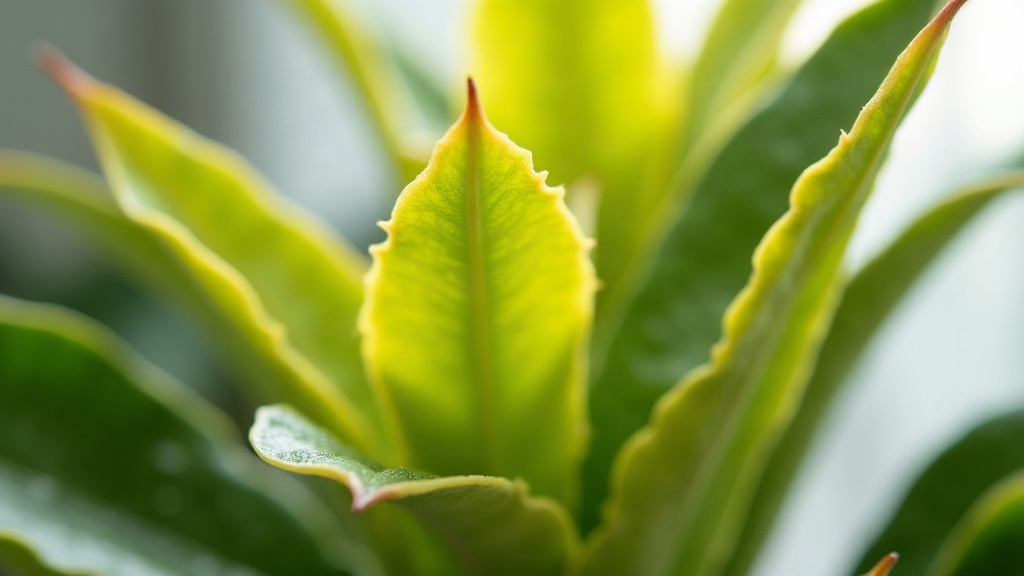
Yellowing leaves are the most common SOS signal a houseplant sends. The good news? It’s rarely fatal, as long as you catch it early. When leaves turn yellow, your plant is telling you something about its water, light, food, or environment has fallen out of balance. Below are the seven most frequent causes of yellow leaves, how to tell them apart, and exactly what to do to bring your plant back to green.
1. Overwatering (the #1 cause)
Far more plants die from too much love (read: too much water) than from neglect. When soil stays constantly soggy, roots can’t breathe. They begin to rot, and once that happens, they stop delivering nutrients to the leaves.
How to recognize it: Leaves turn yellow and feel soft or mushy, often starting with the lower ones first. The soil stays wet for days on end, and you might catch a musty smell, or spot a few fungus gnats hovering around the pot.
The fix:
- Stop watering until the top 2-3 cm (about 1 inch) of soil dries out.
- Check that the pot actually has drainage holes. Pots without them are a trap almost every new plant owner falls into at least once.
- If the soil smells rotten, repot into a fresh, well-draining mix and trim away any brown, mushy roots.
2. Underwatering
Here’s the tricky part: the opposite problem looks surprisingly similar at first glance, which is exactly why proper diagnosis matters. Dry soil causes leaves to yellow, curl inward, and turn crispy at the edges before they eventually drop.
How to recognize it: The soil pulls away from the sides of the pot, the whole thing feels suspiciously light when you pick it up, and the leaves feel dry and papery rather than soft or limp.
The fix: Water slowly and deeply until it runs freely out of the drainage holes. If the soil has gone bone-dry, try soaking the pot in a tray of water for 20-30 minutes so the mix rehydrates evenly instead of just running past compacted, dry soil.
3. Poor Lighting
Too little light starves the plant of energy, causing older leaves to yellow and drop off one by one. Too much direct sun does the opposite kind of damage: it scorches leaves, turning them yellow or pale before they eventually crisp up like toast.
How to recognize it: Low-light yellowing tends to be gradual and mostly hits the lower leaves. Sunburn, on the other hand, shows up as bleached or yellow-brown patches on whichever leaves face the window.
The fix: Move the plant to a bright spot with indirect light, or pull it back a few feet from a hot, south-facing window. A simple trick that helps a lot: rotate the pot a quarter turn every week so all sides get their fair share of light.
4. Nutrient Deficiency
If a plant has been sitting in the same soil for a year or more, it can quietly run low on nitrogen, iron, or magnesium. These are the nutrients behind that deep, healthy green you’re after.
How to recognize it: Nitrogen deficiency shows up in older leaves first. Iron deficiency does the reverse, yellowing new leaves while the veins stubbornly stay green.
The fix: Feed with a balanced, water-soluble houseplant fertilizer during the growing season (spring and summer), sticking to the dosage on the label. Don’t overdo it, though. Salt buildup from too much fertilizer causes its own kind of yellowing, plus brown, crispy leaf tips.
5. Pests
Sap-sucking insects like spider mites, aphids, mealybugs, and scale quietly drain the plant, leaving behind stippled, yellowing leaves.
How to recognize it: Get up close and check the undersides of leaves and the joints where leaves meet stems. Look for tiny webs, a sticky residue (that’s honeydew), or small cotton-like fluff.
The fix: Isolate the plant right away, wipe the leaves down with a damp cloth, then treat with insecticidal soap or neem oil once a week for 3-4 weeks until every last pest is gone.
6. Temperature Stress and Drafts
Most tropical houseplants can’t stand cold drafts, heat vents, or sudden temperature swings. That kind of exposure stresses the plant out and triggers leaf yellowing and drop, sometimes within just a day or two.
The fix: Keep plants well away from air conditioners, heaters, and drafty doors. Most common houseplants are happiest somewhere between 18-27°C (65-80°F), and away from cold windowpanes once the sun goes down.
7. Natural Aging
Here’s something worth remembering: not every yellow leaf is a red flag. It’s completely normal for the oldest, lowest leaves to yellow and fall off as the plant redirects its energy toward new growth up top.
The fix: Just snip the old leaf off with clean scissors and move on. If only one or two lower leaves turn yellow now and then, and the rest of the plant looks healthy and keeps growing, there’s genuinely nothing to worry about.
How to Diagnose Your Plant Step by Step
Noticed a yellow leaf? Before you reach for anything, work through this quick checklist:
- Check the soil moisture first. Wet, mushy leaves point to overwatering; bone-dry soil points to underwatering.
- Look at which leaves are affected. Old, lower leaves suggest nitrogen deficiency or plain aging; new leaves suggest iron deficiency or pests.
- Inspect the leaf texture. Soft and limp means overwatered; dry and crispy means underwatered or sunburned.
- Check for pests and sticky residue, especially on the undersides of leaves.
- Think about the location. Any new drafts, vents, or light changes lately?
Conclusion
A yellow leaf is a symptom, not a death sentence. Read the clues, soil moisture, leaf texture, which leaves are affected, and what’s going on in the plant’s environment, and you can usually pinpoint the cause before the damage spreads any further. More often than not, the fix is something simple: adjusting your watering routine, improving drainage, or just moving the plant a foot or two toward better light. Catch it early, and your houseplant will bounce right back with fresh, healthy green growth.