Underwatering Symptoms on Cast Iron Plant in Dry Winter Air
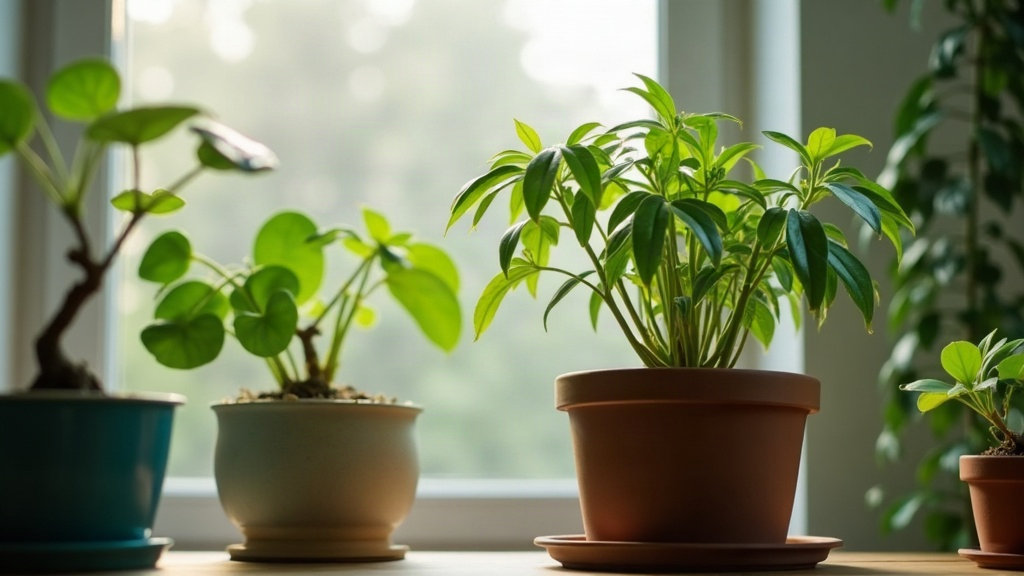
Cast iron plant (Aspidistra elatior) didn’t earn its nickname by accident. This thing survives neglect that would kill most houseplants in a week. But even the toughest plant in your collection has a limit, and that limit gets tested every winter when the furnace kicks on and sucks the moisture right out of the air. The tricky part? Underwatering symptoms look a lot like normal winter dormancy, or get blamed on disease. Miss the signs for a few months and you’re looking at a plant that’s been quietly declining since November.
Why Winter Makes Underwatering Worse
Run your heater for a few hours and watch your hygrometer, if you have one. Relative humidity can crash below 20-30%, well under the 40-50% range most houseplants actually want. That dry air pulls water out through the leaves faster than normal (transpiration goes into overdrive), right at the same time you’re watering less because the plant needs less in low light and cooler temps. So you end up with a plant that’s thirstier than it looks, and a watering can that visits less often. Not a great combination.
Key Underwatering Symptoms to Watch For
1. Leaf Curling or Rolling
Watch the broad leaves start to curl inward along their length, almost rolling up like a cigar. That’s not random. It’s the plant cutting its own surface area to slow down water loss.
2. Dry, Crispy Brown Leaf Tips and Edges
Big difference here from overwatering damage. Overwatered tips go yellow and mushy. Underwatered tips turn brittle and papery, the kind that crumbles between your fingers if you rub it. If you see crumbly brown edges, think dry air and dry soil first.
3. Dull, Matte Leaf Surface
A healthy cast iron leaf has that deep, almost lacquered shine. Take that shine away and you get a flat, dusty-looking leaf, even right after you’ve wiped it down. That sheen loss is one of the subtler signs, easy to miss if you’re not looking closely.
4. Soil Pulling Away from Pot Edges
Look down at the soil line. See a gap between the dirt and the inside of the pot? That’s a sign the whole root ball has dried out and contracted. Water poured in at this point often just runs down that gap and out the drainage hole without soaking in at all.
5. Lightweight Pot
Pick the pot up. Seriously, just lift it. A bone-dry root ball weighs noticeably less than a hydrated one, and once you’ve felt the difference a couple of times, you’ll know instantly without even touching the soil.
6. Slowed or Stalled Growth
These plants are slow growers to begin with, so this one’s easy to overlook. But chronic underwatering can stop new leaves from forming entirely. Weeks go by, then months, and the plant just sits there looking exactly the same.
7. Wilting or Drooping Leaves
Rare for this species, which is part of why it’s worth noting when it happens. If drought stress drags on long enough, even cast iron plant leaves lose their stiff, upright posture and start drooping at the base.
How to Confirm It’s Underwatering, Not Something Else
Don’t just grab the watering can yet. A few other problems mimic these symptoms:
- Brown tips paired with soggy, smelly roots usually mean overwatering or root rot, the opposite problem.
- Pale yellow leaves with dark spots point to fungal disease, typically from too much moisture, not too little.
- Leaves suddenly dropping near a cold window often means a cold draft is the culprit, not dry soil.
Quickest way to know for sure: stick a finger, or a wooden skewer, about 2 inches into the soil. Pull it out completely clean and dry? That’s your answer. Underwatering plus dry indoor air is almost certainly what you’re dealing with.
How to Fix and Prevent It This Winter
- Water thoroughly, not often. Soak it until water runs out the drainage holes, then leave it alone until the top inch or two dries out again. In winter that’s usually every 2-3 weeks, not weekly.
- Raise the humidity nearby. A pebble tray with water underneath, clustering pots together, or running a small humidifier near the plant all help push back against that dry heated air.
- Keep it away from vents and radiators. A blast of hot, dry air aimed at the leaves dries them out fast, faster than you’d expect.
- Mist if you want, but don’t count on it. Misting helps for a few minutes and then the water’s gone in low humidity. Treat it as a bonus, not your watering plan.
- Snip off the dead tips. Crispy brown edges won’t green back up, ever. Trimming them off at least stops the plant from wasting energy trying to repair what’s beyond repair.
Conclusion
Curling leaves, crumbly brown edges, a flat dull shine, a pot that feels too light when you pick it up: once you know what to look for, underwatering on a cast iron plant in winter is actually pretty easy to spot. The heated air is working against you twice over, pulling moisture out faster while convincing you the plant needs less attention. The fix isn’t watering more often, it’s watering smarter: deep soaks, some humidity backup, and keeping the plant clear of heat vents. Catch it early and by spring you’ll have your tough, low-maintenance plant right back where it should be.