Tradescantia Losing Purple Color in Winter: When to Use Grow Lights
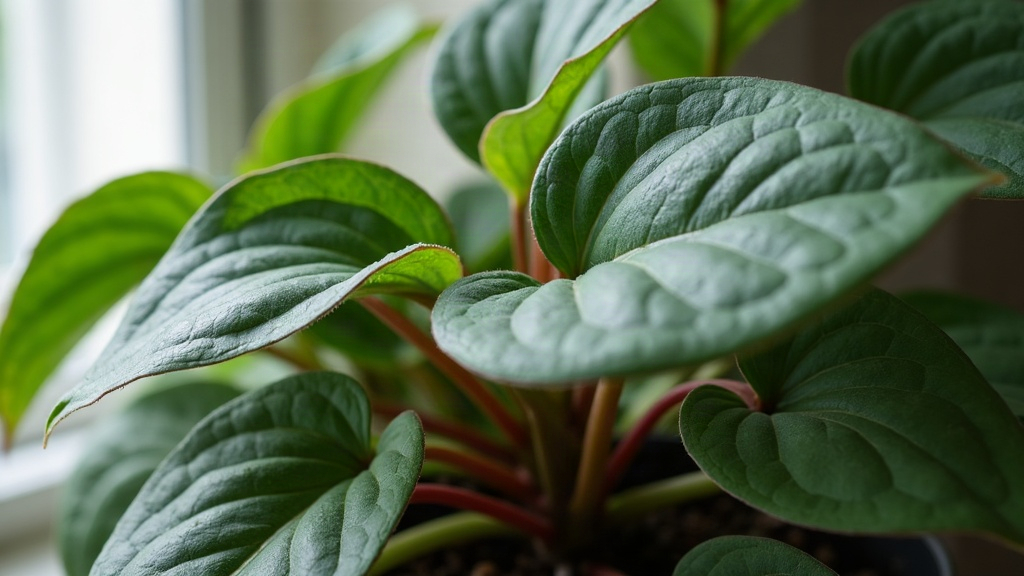
If your Tradescantia has gone from that electric purple you bragged about on Instagram to a sad, washed-out green, don’t panic and don’t blame yourself. Nine times out of ten, it’s just light. As the days shrink and the sun drags itself lower across the sky, Tradescantia (zebrina, pallida, nanouk, all of them) tends to green out to squeeze every bit of photosynthesis it can from the dim light available. The fix is simple, if not always convenient: get your plant under a grow light the moment you notice the color fading, the stems stretching, or new leaves coming in smaller than they used to. For most of us in the Northern Hemisphere, that window starts around late September and runs through October.
Why Tradescantia Loses Its Purple Color in Winter
That purple, pink, and silvery sheen you love so much comes from anthocyanins, pigments the plant churns out specifically in response to strong, direct light. Think of them as the plant’s own sunscreen, a layer that shields chlorophyll from getting fried by too much brightness.
Winter throws a handful of problems at your plant all at once:
- Shorter days simply mean less total light, full stop.
- A lower sun angle weakens the intensity of light even if your window still faces south.
- Glass itself blocks UV and knocks down the overall lux reaching the leaves.
- Cloudy skies, depending on where you live, cut things down even further.
Once the light stress disappears, so does the plant’s incentive to keep producing anthocyanins. It switches priorities to chlorophyll, green, basic survival mode, and that’s exactly why a plant that looked stunning in July can look almost unrecognizable by December.
Signs It’s Time to Move Your Tradescantia Under Grow Lights
Don’t wait for the plant to look genuinely unwell before stepping in. Keep an eye out for:
- New leaves coming in green instead of purple or variegated
- Longer internodes, that is, visible gaps stretching between leaves (a classic sign of etiolation)
- Leaves shrinking compared to what you saw over summer
- Leggy, thin stems craning toward the nearest window like they’re trying to escape
- Dull, flat-looking foliage that’s lost its usual shine
Spot two or more of these at once? Time to move. Acting early matters here, because getting a reverted plant to recolor takes a lot longer than simply preventing the revert in the first place.
When Exactly to Switch to Grow Lights
Rough timeline that works for most temperate climates:
- Late September to mid-October: Start paying attention to how many hours of real, bright daylight your space gets. Once it dips under 6-8 hours, start supplementing.
- November through February: This is the stretch where natural light is at its weakest, so your grow light becomes the main event, not a backup.
- March: As the days stretch back out and sunlight regains its strength, you can start easing off the artificial lighting.
Here’s a quick, low-tech gut check: if you can’t comfortably read small print in your plant’s spot without flicking on a lamp, there isn’t enough natural light to keep the colors vivid.
How to Set Up Grow Lights Correctly
- Light type: Go with full-spectrum LED grow lights, ideally in the 4000-6500K range, rather than whatever generic white LED bulb you had lying around.
- Distance: Keep the light 6-12 inches above the leaves for tighter, more compact growth. Weaker, low-wattage lights should sit closer; stronger ones can be placed farther back.
- Duration: Aim for 10-14 hours a day to mimic a long summer day. A cheap outlet timer takes the guesswork (and the daily chore) out of this entirely.
- Intensity beats duration: A strong light running for 10 hours will do more for your plant than a weak one running for 16.
Additional Tips to Restore Purple Pigmentation
- Ease off nitrogen fertilizer during winter. Too much nitrogen pushes the plant toward leafy green growth at the expense of pigmentation.
- Cut back leggy stems once the grow light is in place, which pushes the plant to put out denser, more colorful new growth.
- Spin the pot about once a week if you’re relying on a single light source, otherwise you’ll end up with color on one side and plain green on the other.
- Give it time: expect 3-6 weeks of steady, bright light before new growth starts showing off its restored color. It won’t happen overnight, and that’s normal.
Conclusion
A Tradescantia fading to green in winter isn’t sick, it’s just reacting to light the way it’s wired to. Watch for the early warning signs (fading color, stretched stems, shrinking leaves), get a full-spectrum grow light set up by early-to-mid fall, and run it 10-14 hours a day until spring light levels come back on their own. Stay consistent with the brightness, and your plant will pay you back with that deep purple, pink, and silver foliage, even in the dead of January.