Repotting a Rootbound Jade Plant in Spring: Step-by-Step Guide
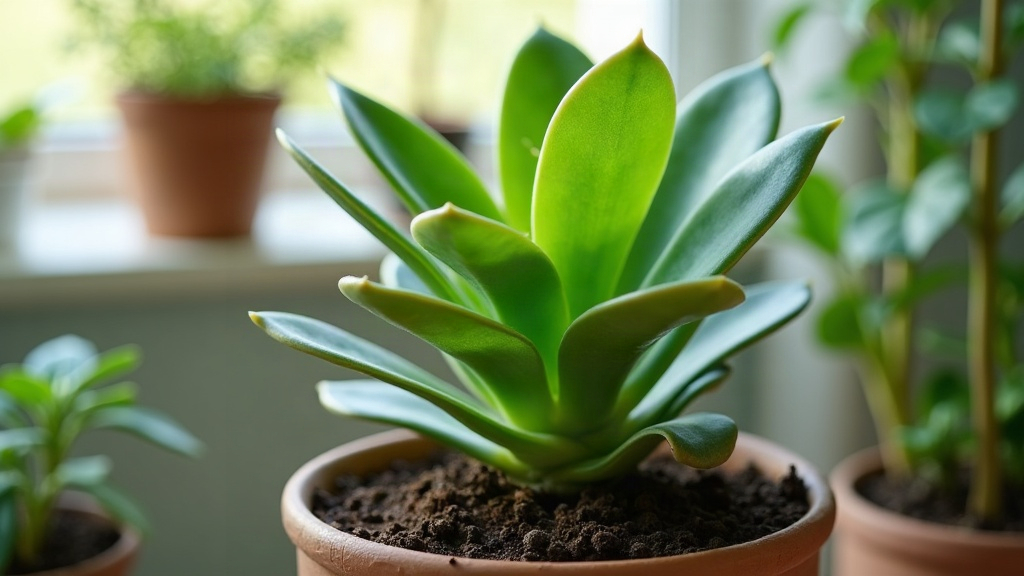
If your jade plant (Crassula ovata) has roots circling tightly around the pot, water running straight through without soaking in, or it keeps tipping over from top-heavy growth, it’s rootbound. Time to repot. Spring is the sweet spot for this job because the plant is waking up into active growth and bounces back fast from the disturbance. Below is exactly how to repot a rootbound jade plant, step by step, plus the aftercare that gets it settled in its new home.
How to Tell Your Jade Plant Is Rootbound
Before you grab a trowel, make sure repotting is actually needed. Look for:
- Roots poking out of drainage holes or circling the surface of the soil
- Water draining out almost instantly instead of absorbing
- A plant that looks top-heavy or tips over at the slightest bump
- Growth that’s stalled even though it’s the growing season
- Roots visible the moment you lift the plant out of its pot
Spot two or more of these and it’s time to act.
Why Spring Is the Best Time to Repot
Jade plants are succulents, and like a lot of succulents, they go semi-dormant in late fall and winter. Repot during that dormant stretch and you’re asking the plant to heal damaged roots with almost nothing in the tank, metabolically speaking. Spring and early summer bring warmth, longer daylight, and a plant that’s already metabolizing actively. That’s the combination that gets roots recovering quickly with minimal transplant shock.
What You’ll Need
- A new pot, 1 to 2 inches larger in diameter than the current one, with drainage holes (non-negotiable)
- Fresh, well-draining succulent or cactus soil mix
- Clean, sharp scissors or pruning shears
- Gloves, if you want them (jade sap can irritate sensitive skin)
- A trowel or even just an old spoon from the kitchen drawer
Don’t jump to a pot that’s drastically bigger just because it looks nice. Oversized pots hold onto excess moisture far longer than roots can use it, and that’s basically an invitation for root rot.
Step-by-Step: Repotting a Rootbound Jade Plant
1. Water Sparingly Beforehand, Then Let It Dry
Give it a light watering a day or two before repotting, then let the soil dry out a bit. Dry soil lets go of roots more easily and you’ll break fewer of them in the process.
2. Remove the Plant Gently
Tip the pot on its side, support the base of the plant with one hand, and coax it out. Stuck? Run a knife around the inside rim of the pot first to break the seal.
3. Loosen and Inspect the Root Ball
Work the compacted roots apart with your fingers, gently. Expect to find a dense, tangled mat in there. That’s completely normal for a rootbound plant, not a sign something’s wrong.
4. Trim Damaged or Excessive Roots
With clean shears, snip away anything mushy, blackened, or clearly dead. You can also trim back up to a third of the long, healthy roots to push the plant toward fresh growth. Jade handles root pruning better than most people expect.
5. Add Fresh Soil to the New Pot
Put a layer of succulent mix at the bottom, enough that when the plant sits on top of it, it ends up at the same depth it was growing at before.
6. Position and Backfill
Center the jade plant, then backfill around the roots with soil, pressing gently to knock out the big air pockets. Don’t compact it hard though. Roots still need to breathe.
7. Hold Off on Watering
This one trips people up: don’t water right away. Give it 3 to 7 days so any cut or damaged roots can callous over. Water those fresh wounds too soon and you’re basically rolling out the welcome mat for rot.
Aftercare After Repotting
- First watering: Once the waiting period’s up, water lightly, just enough to moisten the soil, not soak it.
- Light: Bright, indirect light for the first 1 to 2 weeks. Hold off on direct afternoon sun right away; it’ll only stress roots that are still settling in.
- No fertilizer yet: Wait at least 4 weeks. Feeding a recovering root system too early can burn it.
- Watch for wilting leaves: A little leaf drop or mild wilting in week one is just transplant shock, nothing to panic over. Mushy or blackening leaves, though, that’s a different story and worth investigating.
- Resume normal care after 3 to 4 weeks: Once you see new growth, go back to standard jade care: water only when the soil’s bone dry, and give it 4 to 6 hours of bright light a day.
Common Mistakes to Avoid
- Repotting in winter while the plant’s dormant
- Using regular potting soil instead of a fast-draining succulent mix
- Sizing up to a pot that’s way too large, which leaves soil soggy for too long
- Watering immediately after repotting instead of waiting out the callous period
Repotting a rootbound jade plant in spring really isn’t complicated once you’ve done it once. Get the timing right, use soil that drains fast, trim damaged roots with a steady hand, and resist the urge to reach for the watering can too soon. Give it that short recovery window and the right aftercare, and your jade will pay you back with thick, vigorous growth for the rest of the season.