Does a Ponytail Palm Need a Winter Dormancy Period?
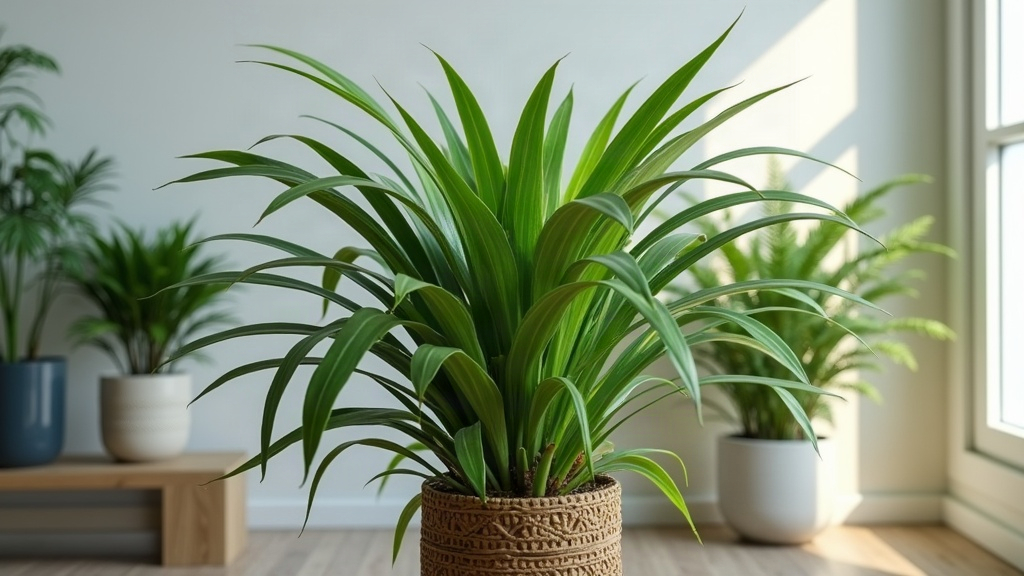
Yes, a ponytail palm (Beaucarnea recurvata) does appreciate a semi-dormant rest in winter, even though it’s not the kind of dormancy you’d see in a deciduous tree that drops all its leaves and goes fully quiet. Growth slows way down once light and temperature dip, and the plant more or less shifts into idle mode. Adjusting how you water, feed, and light it during these months matters a lot. Get it wrong and you’re looking at root rot or stress damage that can take months to fix.
Why Ponytail Palms Slow Down in Winter
Ponytail palms come from the semi-arid stretches of eastern Mexico, places where long dry seasons are just part of life. Over time they evolved to store water in that swollen trunk base, which is exactly why people call them “elephant’s foot palms.” That water-storage habit tells you something important: this plant is built to conserve energy the moment conditions get tougher. Shorter days, weaker light, cooler room temperatures, all of it tells the plant to ease off the gas.
Unlike deciduous plants, ponytail palms stay green all year. So “dormancy” isn’t quite the right word here. Think of it more as a rest period: metabolism slows down, but the plant keeps ticking along in the background rather than shutting off completely.
Signs Your Ponytail Palm Is Entering Winter Rest
- New leaf growth basically stops
- Soil takes noticeably longer to dry out between waterings
- The trunk might look a touch less plump than usual (totally normal, it’s just drawing on its reserves)
- Leaves stay green and firm, nothing limp or discolored
If instead you spot yellowing, mushy leaves, or a soft trunk, that’s not winter rest talking. That’s overwatering, plain and simple.
Indoor Light Guide for Winter
These plants want bright, indirect to direct light, and in winter, when the sun is weaker and lower in the sky, where you place the pot matters more than almost anything else.
Best Winter Light Spots
- South-facing window: the best option by far. Delivers the steadiest light through the short winter days.
- West-facing window: solid backup, particularly if it gets afternoon sun.
- East-facing window: workable, but watch for leggy growth and add supplemental light if needed.
Supplementing with Grow Lights
If your home just doesn’t get much natural light in winter (a common problem in apartments facing north, or in cities with a lot of cloud cover), a basic LED grow light held 12 to 18 inches above the plant for 6 to 8 hours a day does the trick. It keeps the foliage compact and prevents that stretched, reaching-for-light look. Anyone in a northern climate dealing with short daylight hours from November through February will especially benefit from this.
Rotate the Pot
Give the pot a quarter turn every week or two. It’s a small habit, but it keeps growth even on all sides instead of the plant leaning hard toward one window.
Adjusting Watering During Winter
Here’s the big one, honestly the change that matters most. Because the trunk itself is a water reservoir, ponytail palms handle drought far better than they handle excess moisture. In winter, overwatering is by far the bigger risk.
- Water only once the soil is completely dry, which usually means every 3 to 4 weeks indoors, compared to every 1 to 2 weeks in summer.
- Check with a finger or a moisture meter before you water. Don’t just water on a schedule because “it’s been two weeks.”
- Make sure the pot actually drains. A ponytail palm left sitting in wet soil through the cool months is one of the most common ways people end up with trunk or root rot.
Temperature and Humidity Tips
- Keep it away from cold drafts, heating vents, and chilly windowsills, those temperature swings stress the plant more than you’d think.
- Aim for an indoor range of 60-80°F (15-27°C).
- Standard household humidity is fine. No need to mist. These plants actually prefer drier air over damp conditions.
Should You Fertilize in Winter?
No, skip it. Hold off from late fall through early spring. A resting plant isn’t pulling nutrients out of the soil the way it would in summer, so any fertilizer you add just sits there and can build up as salts, which in turn burns the roots.
Quick Winter Care Checklist
- ✅ Place in the brightest window you’ve got (south or west-facing is ideal)
- ✅ Water only when the soil is bone-dry
- ✅ No fertilizer until spring
- ✅ Keep it clear of cold drafts and heating vents
- ✅ Rotate the pot now and then for even light
Conclusion
A ponytail palm won’t demand the strict dormancy some other houseplants need, but it clearly does better with a lighter touch in winter. Give it bright light, cut back on water, and leave the fertilizer in the cupboard until spring. Do that and the trunk stays plump and healthy, the leaves stay green and cascading, and the plant will be ready to take off again once growing season rolls back around.