Grow Light Distance for Monstera Thai Constellation: Complete Guide
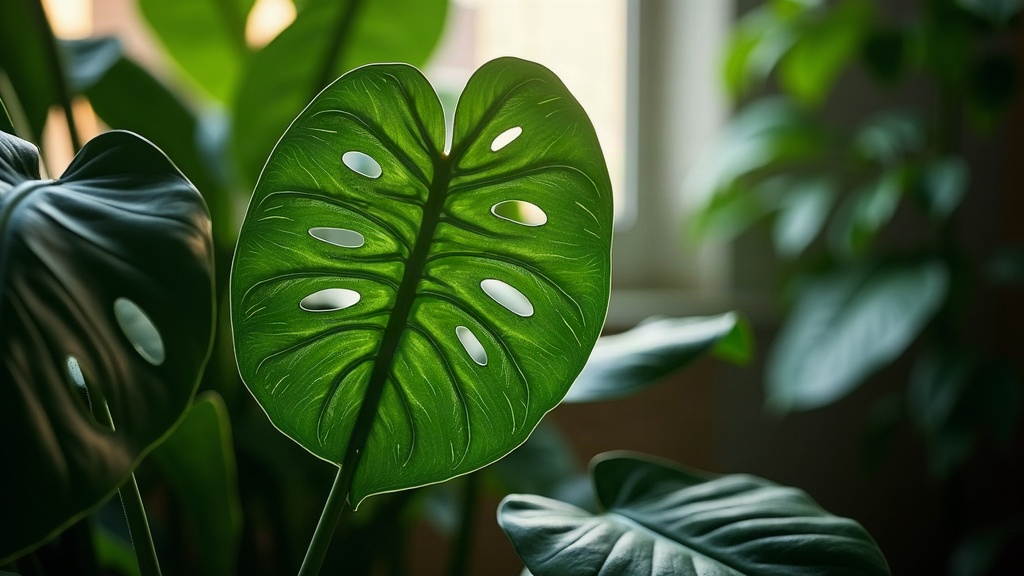
If you’re growing a Monstera Thai Constellation indoors, getting the grow light distance right can mean the difference between vibrant variegation and a leggy, dull plant. The short answer: hang your light 12 to 24 inches above the foliage and run it 10 to 14 hours a day, then adjust based on your fixture’s wattage and how the plant actually responds.
Why Grow Light Distance Matters for Thai Constellation
Thai Constellation is a variegated cultivar, which means chunks of each leaf simply lack chlorophyll. Those cream and white patches are basically dead weight photosynthetically speaking, so the remaining green tissue has to carry the load for the whole plant. That’s why lighting needs to be dialed in more carefully here than with a plain green Monstera deliciosa.
Put the light too far away and the plant starts reaching for it, stretching out stems and producing smaller, weaker leaves as it goes. Put it too close, especially with a high-intensity LED panel, and you risk scorching leaves that can’t tolerate much heat or light concentration to begin with.
Ideal Distance by Light Type
There’s no single “correct” distance here. It really comes down to what kind of fixture you’re running:
- Low-wattage LED bulbs (10-20W equivalent): 10-14 inches from the canopy
- Standard full-spectrum LED panels (30-60W): 14-20 inches
- High-output grow lights (100W+): 20-30 inches
- Fluorescent T5/T8 tubes: 6-12 inches (these run cooler and less intense)
A simple gut-check: hold your hand under the light at the height of your plant’s canopy for about 30 seconds. If it stays comfortable the whole time, your Monstera is probably fine at that distance too.
How Long Should the Light Stay On?
Most variegated Monsteras do best with 10 to 14 hours of light a day, roughly matching what they’d get in a tropical environment. A few pointers for dialing in duration:
- New setups: Start at 10 hours so you don’t shock the plant, then build up gradually over a week or two.
- Low-intensity lights: Lean toward 12-14 hours, since each hour delivers less total light energy.
- High-intensity lights: 10-12 hours is usually plenty and keeps things from overheating.
- Use a timer: A $10 outlet timer does more for consistency than any amount of careful planning. Set it and forget it.
Signs Your Light Distance Is Wrong
Keep an eye on the plant for the first 2-3 weeks after any change to your setup.
Too far away (not enough light):
- Long, thin stems with big gaps between leaves (classic etiolation)
- New leaves coming in smaller than the ones before them
- Variegation fading as the plant tries to pack in more chlorophyll to compensate
Too close (too much light):
- Yellow or bleached-looking patches on the leaves
- Crispy, browned leaf edges
- Leaves curling up as a stress response to heat
Measuring Light Intensity (PPFD) for Precision
If you’d rather work with numbers than guesswork, a PAR/PPFD meter (or even a decent smartphone light meter app) takes a lot of the uncertainty out of this. Thai Constellation generally does well around:
- 150-250 µmol/m²/s PPFD for steady, healthy growth
- Try not to go past 400 µmol/m²/s. That level can stress the variegated tissue even if the green parts seem fine.
No meter on hand? That’s okay, just track leaf color and growth rate over 3-4 weeks before making your next adjustment.
Positioning Tips for Best Results
- Rotate the pot once a week so growth doesn’t end up lopsided, favoring whichever side faces the light.
- Raise the fixture as the plant grows. A setup you installed at the right height three months ago might be too close now.
- Pair it with natural light near an east- or north-facing window when you can. Think supplemental, not primary.
- Be extra cautious around heavily variegated leaves. The white sections scorch noticeably faster than green ones, so what’s a safe distance for the rest of the plant might still be too close for those.
Common Mistakes to Avoid
- Using the same distance for every light regardless of its wattage
- Leaving lights on 24/7 (plants genuinely need darkness to process the energy they’ve absorbed)
- Following a generic chart instead of reading what the leaves are actually telling you
- Parking the light directly over a heavily variegated leaf and walking away without checking on it
Conclusion
Getting grow light distance right for a Thai Constellation really comes down to matching intensity to a safe range, usually somewhere between 12 and 24 inches, and giving it 10-14 hours of light daily. Start on the conservative side, check the leaves weekly, and let what you see guide your next move rather than sticking rigidly to a chart. Get the calibration right and consistent, and the plant pays you back with strong growth and that showstopping variegation it’s known for.