Rubber Plant Leggy Growth After Pruning: How to Encourage Branching
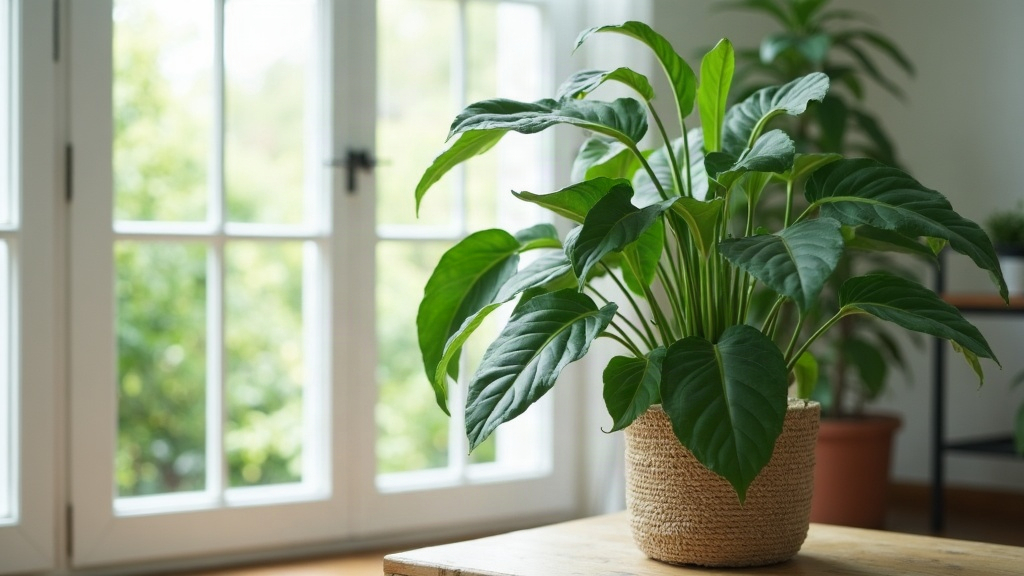
If your rubber plant (Ficus elastica) is still shooting up tall and lanky after a pruning session, don’t blame the scissors. The real culprits are almost always light, timing, or what you did (or didn’t do) afterward. Pruning only triggers branching when the plant actually has the energy and light to push new growth near the cut. Here’s what’s really going on and how to fix it.
Why Your Rubber Plant Stays Leggy After Pruning
One cut rarely makes a plant bushy on its own. A handful of mistakes tend to block branching:
- Not enough light. Rubber plants grow fast, but stick one in a dim corner and it’ll pour all its energy into reaching toward whatever light it can find, growing one tall stem instead of bothering with side shoots.
- Wrong cut placement. You need to cut just above a leaf node. Slice into bare, woody stem with no nodes nearby and you’ll likely get one weak regrowth point instead of a nice spread of branches.
- Only making one cut. A single topping cut typically wakes up just 1-2 shoots near the wound, and if those grow straight up instead of outward, the plant still reads as leggy.
- Pruning at the wrong time. Cut during dormancy (late fall through winter) and you’re asking a sluggish plant to do something it’s not equipped for right now.
- Stressed roots or hungry plant. A rootbound specimen, or one that hasn’t been fed in ages, simply doesn’t have the reserves to throw out new branches after a cut.
Step-by-Step: How to Force Branching
1. Prune in Spring or Early Summer
This is when Ficus elastica is firing on all cylinders. Cut during this window and you give the plant a real shot at pushing out 2-3 new shoots from dormant nodes below the cut, often within weeks.
2. Cut Just Above a Leaf Node
Every node hides a dormant bud, just waiting. Remove the growing tip and you’re telling the plant: wake up the nearest node(s) and get growing. Use sharp, sterilized shears and cut at a slight angle, clean and quick.
3. Wipe Away the Sap
Cut a rubber plant and it bleeds, literally, white latex sap oozes out. Grab a damp cloth and wipe it off. Left alone, that sap can seal right over the buds and stall regrowth before it even starts.
4. Increase Light Immediately
Get the plant into bright, indirect light, ideally near an east or south-facing window with some filtered sun coming through. Low light is public enemy number one here: it’s the main reason new growth comes in thin and stretched instead of full and bushy.
5. Rotate the Plant Weekly
Give the pot a quarter turn once a week so every side gets its fair share of light. Skip this and you’ll end up with lopsided growth, all leaning toward the window like it’s trying to escape the room.
6. Feed During Active Growth
Reach for a balanced liquid houseplant fertilizer (something like a 3-1-2 NPK ratio) every 4-6 weeks through spring and summer. New branches don’t grow on goodwill alone, they need fuel, and a depleted plant just doesn’t have it to spare.
7. Consider a Second, Lower Prune
Only got upward growth near the top from your first cut? Try a second cut lower on the stem (or on the new shoots once they’ve had time to mature a bit). Stack cuts like this and you multiply your branching points, it’s basically the trick behind that classic, full, multi-stemmed rubber plant look.
How Long Until You See New Branches?
Give it 2-4 weeks under good light and warm temps (65-80°F / 18-27°C) and you should see the first buds breaking. Full branches with mature leaves, though? That’s more like a 2-3 month wait. Resist the urge to prune again right away, jumping the gun just stresses the plant out and sets recovery back even further.
When Pruning Alone Isn’t Enough
Did everything right but the plant still refuses to branch? Check these:
- Root health. A rootbound plant funnels its energy into roots, not shoots. If you see roots circling tightly around the pot, it’s repotting time.
- Pests. Scale and mealybugs are energy thieves, quietly draining the plant and keeping new growth from ever showing up.
- Overall light exposure. A plant sitting more than 6 feet from the nearest window just isn’t going to branch well, no matter how perfectly you prune it.
Quick Checklist for Bushy Growth
- Prune in spring/summer, just above a node
- Wipe sap immediately
- Place in bright, indirect light
- Rotate weekly
- Fertilize during growing season
- Give it 2-4 weeks before judging the results
Conclusion
Leggy growth after pruning almost never means the pruning itself failed. Nine times out of ten it comes down to too little light, a poorly placed cut, or skipped follow-up care. Get the node placement right, time it for spring or summer, and back it up with bright light and regular feeding. Do that, and within a couple of months that lanky rubber plant should fill out into the full, bushy specimen you were after.