Alocasia Dormancy vs Death: How to Tell and What to Do in Fall
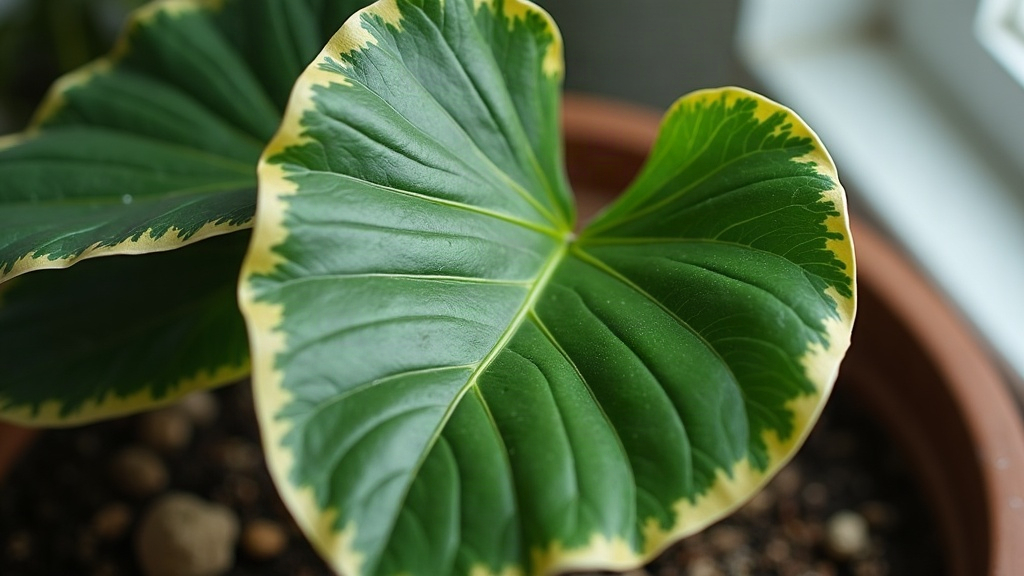
Every autumn, the same panicked message shows up in plant forums: “Is my Alocasia dying, or is this normal?” Here’s the reassuring truth. Most Alocasias that start dropping leaves and looking a bit sad in fall aren’t dying at all. They’re just doing what they do every year when the light fades, slipping into dormancy. This guide walks you through how to tell the two apart, and what to actually do about it so your plant bounces back strong come spring.
Why Alocasias Go Dormant in Fall
Alocasias come from rainforests where warmth, humidity, and roughly 12 hours of daylight are a given, year-round. No surprises, no seasons to speak of. So when you bring one indoors in a temperate climate, the sharp drop in light and day length between September and November hits it like a signal: slow down, or just shut off the above-soil growth altogether.
You’ll see this most often in:
- Alocasia polly, amazonica, and dragon scale varieties (these go dormant frequently, almost on schedule)
- Plants sitting in low light or cooler rooms, anything under 60°F/15°C
- Alocasias grown from corms or bulbs rather than mature nursery stock
Bigger, more established plants like Alocasia odora or macrorrhiza usually skip full dormancy. They tend to just coast, slowing their growth rather than stopping it cold.
Dormancy vs. Death: Key Differences
Signs of Normal Dormancy
- Leaves yellow one at a time, oldest and lowest first, not a mass exodus
- The corm (bulb) at the base stays firm, white or cream when you check it
- Roots look white to light tan and feel firm, never mushy
- No foul smell anywhere near the soil or base
- Leaf loss unfolds over weeks, not overnight
- New growth might stop completely, but the plant itself isn’t collapsing
Signs Your Alocasia Is Actually Dying
- The corm feels soft, mushy, brown, or black. This is the red flag, full stop
- A rotten, sour smell rising from the soil or stem base
- All the leaves collapse at once, especially if it happens fast
- Black or brown streaks creeping up the stem
- Soil that never dries, staying soggy day after day, usually a sign of overwatering
The simple test: brush a little soil away from the base and press the corm gently with a clean finger. Firm? That’s dormancy. Mushy or hollow? That’s rot, and you don’t have much time to waste.
What to Do If It’s Dormancy
- Cut your watering way back. Wait until the top 2-3 inches of soil are bone dry, which might mean watering every 2-4 weeks instead of weekly.
- Skip the fertilizer entirely until spring growth appears.
- Keep it warm-ish, somewhere around 60-70°F (15-21°C), away from drafts and cold window glass.
- Leave the pot alone. Repotting during dormancy does more harm than good. Wait for active growth.
- Resist the urge to trim. Let yellowing leaves die back on their own; they’re feeding energy back into the corm as they break down.
- Give it bright, indirect light anyway. Even dormant, it uses that light to store up energy for spring.
Some growers go a step further: dig up the corm entirely, tuck it into dry vermiculite or peat, store it somewhere cool and dark (around 50-60°F), and replant it come spring. For varieties that tend toward total dieback, this method works really well.
What to Do If It’s Rot
Found a mushy corm? Move fast.
- Pull the plant out of the soil right away
- Cut away every bit of soft, discolored tissue with a sterilized knife
- Dust the remaining firm tissue with cinnamon, or use a fungicide
- Let it air-dry and callus for 24-48 hours before repotting into fresh, well-draining mix
- Water much less going forward. Rot almost always comes from a combo of too much water and cold temperatures
When Will It Come Back?
Dormant Alocasias usually wake up in late winter to early spring, think February through April, as the days stretch out again. If the corm is firm and you’ve seen nothing, not one new leaf, for two or three months, don’t panic. That’s just how it goes.
Quick Reference Checklist
| Symptom | Dormancy | Rot/Death |
|---|---|---|
| Corm texture | Firm | Mushy |
| Smell | None | Foul |
| Leaf loss pattern | Gradual | Sudden/all at once |
| Soil | Dries normally | Stays wet |
Conclusion
Fall leaf drop in Alocasias is, nine times out of ten, a natural pause, not a death notice. The corm firmness test is really all you need: firm means be patient, cut back the water, and wait for spring. Mushy means grab a knife and start cutting away rot today. The biggest mistake people make? Drowning a “struggling” Alocasia with extra water in fall when what it actually needs is to be left alone.