Why Does My Snake Plant Have Brown Tips but Green Leaves
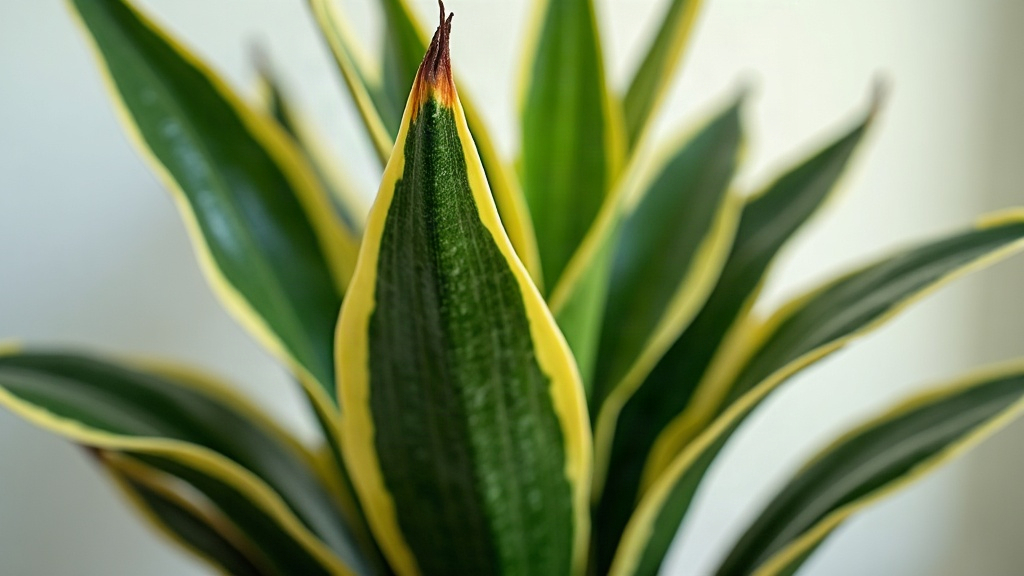
If your snake plant has crispy brown tips but the rest of each leaf is still that deep, glossy green, take a breath. Nine times out of ten this isn’t disease, it’s water quality, underwatering, dry air, or mineral buildup. Sansevieria trifasciata is about as forgiving as houseplants get, so when it does complain, it usually complains in the smallest way possible: a little tip damage instead of full-on leaf yellowing. The good news is that once you spot the actual trigger, this is one of the easiest problems in the plant world to fix.
The Most Common Causes
1. Tap Water Minerals and Fluoride
Snake plants have a real sensitivity to fluoride, chlorine, and chloramine, the stuff that’s routinely added to municipal water supplies. These chemicals don’t cause damage overnight. They creep in slowly, week after week, and settle at the leaf margins and tips, which happen to be the farthest points from the roots. Eventually that tissue just gives up and turns brown or tan.
Fix: Switch to filtered, distilled, or rainwater if you can. Stuck with tap water? Let it sit out uncovered for 24-48 hours so the chlorine dissipates. Just know that trick won’t touch the fluoride.
2. Underwatering or Inconsistent Watering
Here’s the irony: a plant built to survive drought can still get brown tips from going too long between drinks, especially if it’s sitting in bright light or a dry, heated room. The tip is the last stop for water moving up through the leaf, so naturally it’s the first place to dry out and die back.
Fix: Water thoroughly once the top 2-3 inches of soil have dried out, then let all the excess drain away completely. Don’t let the pot go bone-dry for weeks on end, particularly during summer when the plant’s actually trying to grow.
3. Low Humidity
Snake plants shrug off dry air better than almost any other houseplant on your shelf. But push it far enough, think right next to a heating vent or an AC unit blasting away all winter, and even this plant will show tip desiccation.
Fix: Just relocate it away from direct heat or cold airflow. You don’t need to run a humidifier or mist it daily; 30-40% humidity is plenty. Save the humidifier for your fussier tropicals.
4. Fertilizer Buildup
Feed it too often, or use a fertilizer loaded with salts, and those salts start piling up in the soil. Salt pulls moisture right out of leaf tissue, and the tips feel it first.
Fix: Flush the soil with a generous amount of distilled water every few months, enough to run clear out the drainage holes, to leach out the excess salt. And go easy on the fertilizer itself: once every 6-8 weeks during the growing season is genuinely all a snake plant needs.
5. Root Stress from Pot Size or Soil
A cramped pot, compacted dirt, or soil that holds too much water can all mess with how efficiently roots move moisture up to the leaf tips. The result? Browning that looks like a watering problem but is really a root problem.
Fix: Make sure your pot actually has drainage holes (not just decorative ones) and use a loose, well-aerated mix, a cactus or succulent blend does the job nicely. Don’t rush to repot, though. Snake plants genuinely like being a bit snug in their containers, and only need a bigger pot once they’re visibly bursting at the roots.
How to Treat Existing Brown Tips
Once tissue has browned and dried out, it’s done. It won’t turn green again, no matter what you try. But you can still clean things up:
- Trim the brown tips with clean, sharp scissors, cutting at a slight angle so it echoes the leaf’s natural point.
- Leave a thin sliver of brown if you’re not 100% sure where the dead tissue ends and the living leaf begins. Better to leave a little damage than cut into healthy growth.
- Fix the root cause first. Trimming just makes the plant look tidier; it does nothing to stop the next round of browning.
When to Worry (Signs of Something More Serious)
Brown tips by themselves are rarely a five-alarm fire. But a few other symptoms mean you should look closer:
- Brown, mushy leaf bases — this usually points to root rot from overwatering.
- Widespread yellowing paired with browning — often overwatering or root damage.
- Black, wet-looking spots — could be a fungal or bacterial infection setting in.
Notice any of these alongside the tip browning? Pull the plant partway out and check the roots. Healthy roots are firm and white or tan. Rotted ones are mushy, dark, and smell bad, unmistakably bad.
Quick Checklist for Prevention
- Use filtered or distilled water whenever you can
- Water only once the soil is dry 2-3 inches down
- Keep the plant away from heating and cooling vents
- Fertilize lightly, no more than once a month in spring and summer
- Flush the soil every so often to clear out salt buildup
- Plant it in a well-draining pot with a loose, breathable soil mix
Final Thoughts
Brown tips on an otherwise green, healthy snake plant almost always trace back to water quality, uneven watering habits, or mineral buildup, not some looming disease. Switch to filtered water, keep your watering schedule consistent, and don’t go overboard with fertilizer, and the browning will stop spreading. New growth will come in clean and green. Go ahead and trim the damaged tips if the look bothers you, but don’t stop there: it’s the water and care habits behind the scenes that actually solve this for good.