Why Do My Succulent Leaves Feel Squishy but Not Rotten
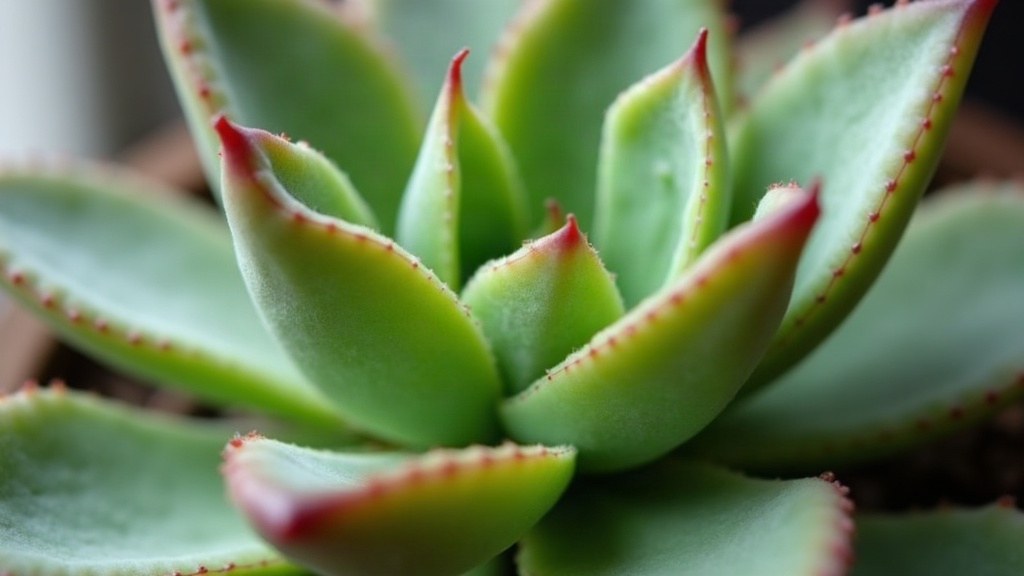
If your succulent’s leaves feel squishy or mushy but there’s no smell, no discoloration, nothing visibly rotting, your plant is probably taking in more water than it can actually handle. Think of it as an early warning light on a dashboard: overwatering, root stress, or just a natural water-storage reaction. Not disease. Catch it now, before real rot sets in, and you’ve got a genuine shot at saving the plant.
What “Squishy but Not Rotten” Actually Means
Succulents keep their water reserves in those thick, fleshy leaves. So when a leaf feels oddly soft, plump, almost like a mini water balloon, but it’s still green with firm edges and no black or brown mushy patches, that just means the cells are overloaded with water. Actual rot looks different: cell breakdown, a foul odor, discoloration in yellow, brown, black, or translucent patches, and leaves that drop off if you so much as brush against them. Squishy on its own, without those extra red flags, is a warning stage. Not a death sentence.
Common Causes
1. Overwatering
This is the usual suspect. Roots and leaf cells can only store so much water before they max out. Water too often, or too much at once, and the cells swell past their normal limit, leaving leaves feeling soft and bloated instead of firm.
Signs to check:
- Soil still damp days after you last watered
- A pot with no drainage holes at all
- Watering on autopilot (say, every Sunday) instead of actually checking if the soil is dry
2. Poor Drainage or Wrong Soil
Regular potting soil holds onto moisture way longer than a succulent needs. If water sits and pools around the roots, the leaves will soak it up passively, even if you haven’t touched the watering can in a week.
Fix: Switch to a well-draining succulent or cactus mix, heavy on perlite, pumice, or coarse sand, and make sure the pot actually has drainage holes.
3. Recent Repotting or Root Disturbance
A succulent that’s just been repotted, or one whose roots got jostled around, can temporarily over-absorb water simply because the roots aren’t working at full capacity yet. Give it a week or two and this usually sorts itself out.
4. Cold Temperatures Slowing Metabolism
When it’s cooler out, succulents process water at a crawl. Keep watering at your usual summer pace once fall or winter rolls in, and you’ll end up with squishy, waterlogged leaves even though nothing looks damaged.
5. Sunburn Recovery
Leaves bouncing back from sun stress can feel a bit softer for a while as the cells repair themselves, especially if you also started watering more in an attempt to “help.”
How to Fix It Before It Becomes Rot
- Stop watering immediately. Let the soil dry out completely. Depending on your pot size and climate, that could take anywhere from 1 to 3 weeks.
- Check the roots. Slide the plant out of its pot gently. Healthy roots look white or light tan and feel firm. If you see black, mushy, or bad-smelling roots, rot has already started, and you’ll need to cut away the affected parts.
- Improve drainage. If you haven’t already, repot into a fast-draining mix using a pot with actual drainage holes.
- Move to bright, indirect light. More light means faster photosynthesis, which helps the plant burn through that excess moisture.
- Resume watering only when the soil is bone dry. Try the “soak and dry” method: water thoroughly, then wait until the soil is completely dry again before the next round.
When to Worry vs. When to Relax
| Symptom | Meaning |
|---|---|
| Squishy, green, no smell | Early overwatering, still recoverable |
| Squishy + yellow/translucent | Progressing, act now |
| Squishy + brown/black + smell | Rot, remove affected leaves/roots |
| Squishy but plant recently watered heavily | Normal water storage response |
Prevention Tips
- Water only once the soil is fully dry at least 2 inches down
- Use terracotta pots. They wick away extra moisture on their own
- Cut back watering frequency once fall and winter hit
- Stick to succulent-specific soil, never regular potting mix
- Check leaf texture weekly, not just color. Texture changes show up first
Conclusion
Squishy leaves without rot are basically your succulent flashing a yellow light, not announcing its death. Nine times out of ten it’s overwatering or a drainage problem, and both are fixable if you move fast: stop watering, inspect the roots, fix the soil setup. Catch it at this stage and within a few weeks your plant should be back to its normal firm, plump self.