String of Pearls Shriveling at the Top But Healthy at Bottom? Fix It
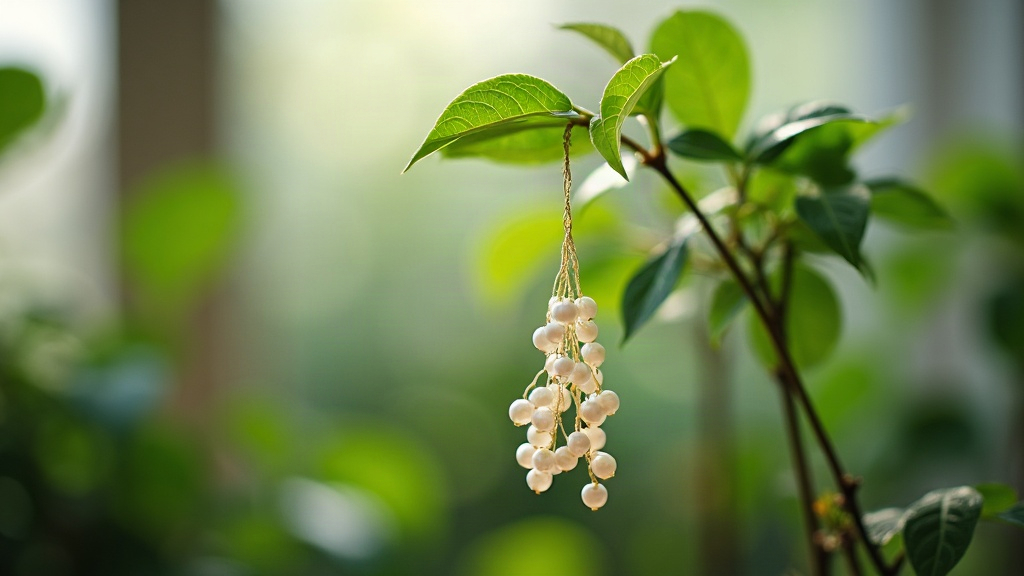
If your string of pearls is shriveling at the top but still looks healthy down below, the trouble almost always starts right at the soil line, exactly where the crown sits. That’s the classic signature of early crown rot, usually brought on by overwatering, sluggish drainage, or a pot that’s just too snug for the roots. The silver lining? If the base of the vines is still plump and green, you caught this in time.
Why Does This Happen Specifically at the Top?
Feels backwards, doesn’t it? You’d expect rot to start at the roots and climb upward. But that’s not how it usually plays out. Here’s the real mechanism:
- The crown is the weak point. Where the stems meet the soil is the most consistently damp spot in the whole pot. Fungi and bacteria love that zone, and they set up shop there first.
- Vascular blockage. Once the crown tissue gets damaged, water and nutrients stop moving efficiently up the stems. A strand sitting right next to the pot can look perfectly normal for two or three weeks while the growth at the tip, cut off from supply, quietly shrivels.
- New growth is softer and more vulnerable. The tip of a trailing strand is usually the youngest tissue on the plant. It dries out and collapses much faster than the tougher, mature pearls closer to the soil.
- Light and airflow aren’t uniform. Pearls near the rim of the pot get less humidity buffering than the ones tucked close to the soil surface, so any stress shows up there first.
How to Tell If It’s Crown Rot (Not Just Dehydration)
Underwatering and crown rot both leave you with shriveled pearls, so before you do anything, run through these checks:
- Squeeze a few pearls near the top. A dehydrated pearl feels soft but still holds its shape, like a balloon that’s lost some air. A rotted one feels mushy, maybe discolored (anywhere from yellow to brown to black), and it can squish apart between your fingers.
- Look closely at the crown and soil line. A dark, soft, or slimy ring where the stems meet the dirt is a red flag. If you catch a sour or moldy smell, that’s basically confirmation.
- Check actual soil moisture. Stick a finger or a wooden skewer about 2 inches down. If it’s still damp a week after your last watering, drainage (not pests, not fungus directly) is the root cause.
- Check what’s going on lower down. If the bottom pearls are firm, green, and plump, the damage is localized to the top, which is exactly the scenario this guide is written for.
Step-by-Step Fix
1. Stop watering immediately
Let the soil dry out all the way. String of pearls hoards water in its leaves for a reason: it’s built to go 2-3 weeks, sometimes longer, without a drink.
2. Unpot and inspect the roots
Pull the plant out gently and take a real look at the root ball:
- White, firm roots mean the plant is still salvageable.
- Brown, black, or mushy roots need to go. Snip them off with clean, sharp scissors.
3. Cut out the damaged crown tissue
If the rot is limited to the crown area:
- Trim the affected strands back to healthy, firm tissue. Going a few inches below the shriveled section is usually plenty.
- Any healthy pearls that remain lower down can stay put, or you can snip them off for propagation.
4. Treat before repotting
- Dust the cut ends and the root ball lightly with cinnamon (it’s a natural antifungal) or a commercial fungicide powder.
- Let the roots sit out and air-dry for 24-48 hours before putting them back in soil. This gives the cuts time to callous over and cuts down the odds of reinfection.
5. Repot in fresh, fast-draining soil
- Go with a cactus/succulent mix, or doctor regular potting soil with 40-50% perlite or pumice.
- Pick a pot with actual drainage holes. Terracotta works especially well since it pulls excess moisture out through the walls.
- Don’t jump up several pot sizes at once. A pot that’s too big holds more water than the roots can use, and you’re right back where you started.
6. Propagate the healthy strands as backup
Even if the main plant pulls through, cut 4-6 inch sections from the healthy growth, let them callous for a day on the counter, then lay them across moist succulent soil. New roots show up at the nodes within 2-3 weeks. It’s cheap insurance, and honestly, it only takes a few minutes.
Preventing It From Coming Back
- Water deeply, then leave it alone. Soak until water runs out the drainage holes, then don’t touch it again until the soil is completely dry.
- Give it bright, indirect light. Dim light means the soil stays wet longer and pushes the plant toward leggy, weak growth that’s far more prone to rot.
- Ditch the saucer, or empty it right away. Water pooling under the pot keeps the crown damp around the clock.
- Improve airflow. A small fan, or just not cramming the pot onto an overcrowded shelf, helps the crown dry out faster after each watering.
- Skip the humidity tray and the misting bottle. String of pearls is a desert succulent, not a fern. It has zero interest in extra moisture in the air.
When to Give Up vs. When to Save It
If 70-80% or more of the crown and root system has rotted through, you’re usually better off starting fresh from propagated cuttings than trying to nurse the original plant back. But in the scenario we’re talking about here, a healthy base with shriveling only at the top, stepping in gives you very good odds of pulling the plant through.
Conclusion
A string of pearls that’s shriveling up top while staying healthy below is, in almost every case, early-stage crown rot from too much moisture sitting at the soil line. Catch it while it’s still contained, trim out the damaged tissue, treat the cuts, repot in soil that actually drains, and the plant has a strong shot at a full recovery. Pair that with disciplined watering (soak it, then let it go bone dry) and good light going forward, and this isn’t a problem you should have to deal with twice.