Peperomia Obtusifolia Soft Drooping Stems After Watering
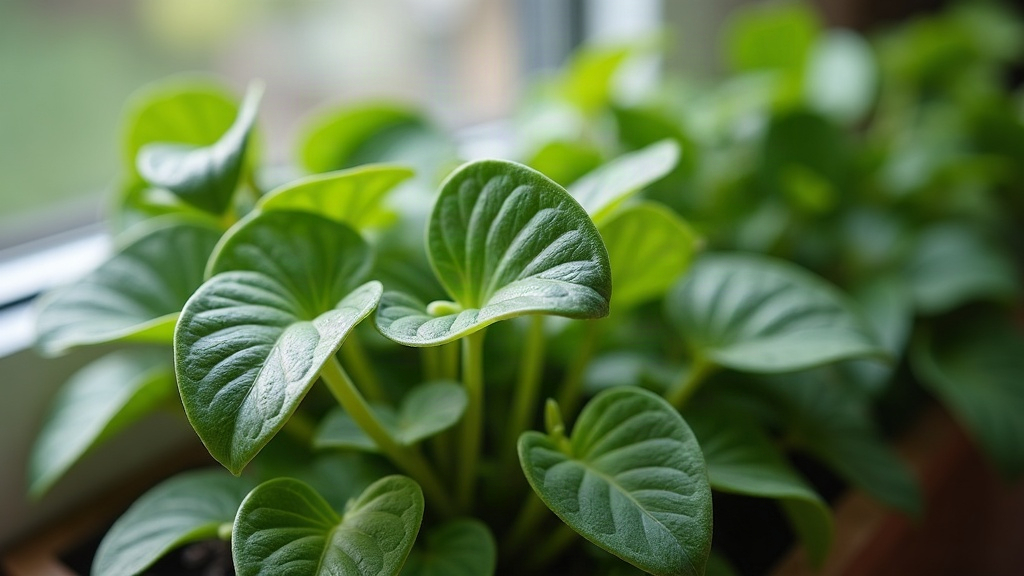
If your Peperomia obtusifolia suddenly has soft, droopy, almost mushy stems right after a watering session, you’re probably looking at one of two things: overwatering (root stress or the early stages of root rot), or cold shock from chilly water or a draft. They can look nearly identical from across the room, both leave the plant limp and sad, but the causes are nothing alike, and neither is the fix. Here’s how to tell them apart fast, before the damage gets worse.
Why Peperomia Stems Go Soft After Watering
Peperomia obtusifolia (the Baby Rubber Plant) keeps a reserve of water in its thick, semi-succulent leaves and stems. That’s part of its charm, honestly, those fat little leaves. But when something interferes with root uptake or messes with the plant’s internal temperature regulation, those fleshy tissues lose firmness shockingly fast. Sometimes within a few hours of watering.
1. Overwatering / Root Rot (the usual suspect)
Peperomia roots are fine and thin, and they rot easily when soil stays soggy for too long. Here’s what tends to give it away:
- Soil is still wet 5-7 days after you last watered
- The drooping shows up 1-3 days after watering, not right away
- Stems go soft near the base first, sometimes darkening to black or brown
- There’s a sour or musty smell coming from the pot (unmistakable once you’ve smelled it)
- Lower leaves yellow and fall off with barely a touch
- The pot feels heavier than it should, and the soil looks dark and compacted
What’s actually happening: soggy soil forces out the oxygen roots need to function. Once roots are suffocating, they can’t move water up into the plant anymore, so the stems wilt even though there’s plenty of moisture sitting right there in the pot. It’s a frustrating paradox for a lot of beginners: “but I just watered it, why is it dying of thirst?”
2. Cold Shock
Cold shock works on a much faster clock, usually within 30 to 60 minutes of watering. A few signs point here instead:
- You watered straight from the cold tap (common in winter)
- The pot sits near a drafty window, an AC vent, or a door that opens to the outside
- The room recently dipped below 55°F (13°C)
- Stems feel uniformly soft, not just at the base
- No smell, and roots look clean and undamaged if you check them
- Leaf edges feel cool to the touch, maybe even a little translucent
Peperomia is a tropical plant, and it doesn’t handle sudden temperature swings well. Cold water hitting warm roots can shock the cells temporarily, which makes the stems go limp even though the plant itself isn’t actually sick.
How to Diagnose: A Quick Checklist
- Unpot it gently and look at the roots. Healthy ones are white or tan and firm to the touch. Brown, black, mushy, or smelly roots mean rot.
- Check soil moisture about 2 inches down, either with your finger or a cheap moisture meter. Still damp a week later? That’s overwatering territory.
- Think about timing. Drooping within an hour or two usually means cold shock. Drooping that creeps in over a day or more points to overwatering.
- Think back to the water you used. Straight from a cold tap in January? Cold shock is a strong bet.
- Scan the room for drafts: windows, vents, doors left ajar.
Fixing Overwatering Damage
- Pull the plant out of the wet soil right away if roots are already rotting.
- Snip off any black, mushy roots with clean, sharp scissors (don’t be shy, dead roots won’t recover).
- Let the remaining roots air-dry for 1-2 hours before repotting.
- Repot in fresh, well-draining mix. A cactus or succulent blend with extra perlite mixed in works well.
- Make sure the pot has drainage holes. Peperomia should never sit in standing water.
- From now on, water only when the top 1-2 inches of soil feel dry.
Fixing Cold Shock Damage
- Relocate the plant away from drafts, cold glass, or vents.
- Stick to room-temperature water going forward (let tap water sit out a few hours before using it).
- Keep the plant somewhere that stays above 60°F (15°C), ideally in the 65-75°F (18-24°C) range.
- Try not to water right before cracking a window open on a cold day.
- Be patient. Cold shock usually resolves faster than rot, often within 24-48 hours.
Prevention Tips Going Forward
- Only water once the soil is dry to the touch 1-2 inches down.
- Use lukewarm water, never cold straight from the faucet.
- Pick pots with drainage holes and a loose, well-aerated potting mix.
- Keep the plant clear of cold drafts, especially once winter sets in.
- Check the soil’s weight and do a finger test before every watering, instead of watering on a fixed schedule out of habit.
Conclusion
Soft, drooping stems on a Peperomia obtusifolia almost always come down to one of two things: waterlogged roots, or a sudden cold jolt. Timing is really the tell here. Wilting that hits almost immediately usually means cold shock, while wilting that builds up over a day or two, paired with smelly, dark soil, points to overwatering. Do a quick root check, test the soil moisture, and adjust your watering habits and the plant’s location from there. Get it right, and most Peperomias snap back within a few days, back to their usual firm stems and glossy leaves.