Why Are My Monstera's Fenestrations Disappearing on New Growth
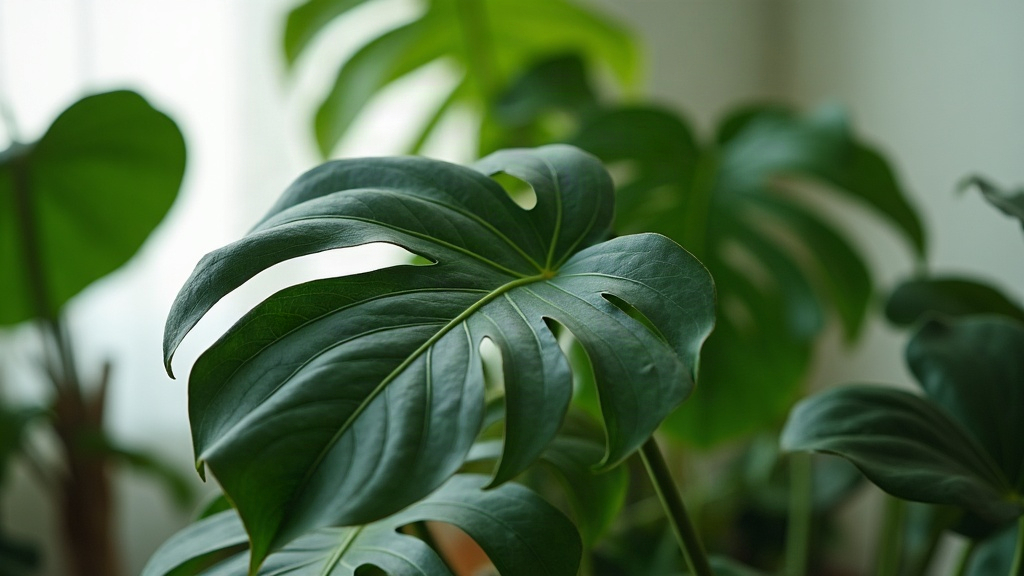
If your Monstera’s newest leaves are coming in smooth and whole, fewer splits, fewer holes than the older growth, you’re not imagining things. It’s a common problem, and a fixable one. Nine times out of ten it comes down to not enough light, a plant that’s still too young, or recent stress. Fenestrations (those signature holes and splits) aren’t a guarantee on every single leaf. They show up based on age, light, and overall plant health. Here’s the breakdown of why it happens and what actually reverses it.
What Causes Fenestrations in the First Place?
Monstera deliciosa develops those holes as an adaptation to life in the rainforest, where it climbs toward patchy light filtering through the canopy above. The holes serve a few practical purposes:
- They let light reach the leaves below
- They let wind and rain pass through instead of shredding the leaf
- They allow the plant to photosynthesize efficiently while using less material
Think of fenestrations as a sign of maturity and good light, not some genetic switch that flips on automatically with every new leaf.
Top Reasons New Leaves Are Coming In Solid
1. Not Enough Light
This is cause number one, by a wide margin. Monsteras want bright, indirect light, ideally sitting within a few feet of an east or south-facing window. When light is scarce, the plant puts its energy into just making a leaf at all, skipping the more complex splitting process. The result: smaller, solid, heart-shaped leaves.
Fix: Pull your plant closer to the window, or add a grow light running 10-12 hours a day. Aim for at least 400-600 foot-candles if you want fenestration to come back reliably.
2. The Plant Is Still Juvenile
Young Monsteras, especially cuttings that were propagated recently, will often push out several plain leaves before the splits start showing up. That’s normal. Maturity usually kicks in once the plant has around 8-10 leaves under its belt, or once the stem is thick enough to support a proper node structure that can hold moisture.
Fix: Patience is the actual fix here. Keep up good care, and fenestrations will arrive as the plant matures, assuming the light is there to support it.
3. No Support Structure (Moss Pole or Trellis)
In the wild, Monsteras climb trees. That climbing motion triggers a hormonal response that pushes the plant toward bigger, more fenestrated leaves. A plant left to sprawl on its own, with nothing to grab onto, can keep producing small, unsplit leaves indefinitely, sometimes for years.
Fix: Set up a moss pole or a coco coir totem and gently train the aerial roots onto it. Most people see a real jump in leaf size and fenestration within 2-3 new leaves after the plant starts climbing.
4. Recent Stress or Environmental Change
Repotting, a pest outbreak, a temperature swing, or just moving the plant to a new spot can make it pause fenestration while it puts energy into recovering instead.
Fix: Settle the environment down. Keep watering consistent, hold temperatures between 65-85°F (18-29°C), and keep it away from drafts. Fenestrations typically pick back up once the plant feels stable again.
5. Nutrient Deficiency
Leaves need nitrogen, potassium, and magnesium to fuel the kind of growth spurt that produces fenestration. If your plant hasn’t seen fertilizer in months, it may just not have the raw materials to work with.
Fix: Feed monthly through spring and summer with a balanced liquid fertilizer (something like a 20-20-20, diluted to half strength).
How Long Until Fenestrations Come Back?
Fix the underlying cause and you should start seeing improvement within 2-4 leaf cycles, roughly 2-4 months under decent growing conditions. Each new leaf tends to show a small step forward: a bit bigger, a bit more split, as the plant readjusts.
Quick Troubleshooting Checklist
- ✅ Is the plant within 3-6 feet of a bright window?
- ✅ Has it produced fewer than 10 leaves total?
- ✅ Is it climbing a pole or trellis?
- ✅ Has it been fertilized in the last 60 days?
- ✅ Has it experienced recent repotting, pest treatment, or relocation?
If you answered “no” to the light, climbing, or fertilizer questions, start there. Those three account for most of the cases people run into.
Conclusion
Solid new leaves on a Monstera are rarely a sign that something’s wrong with the plant’s health. Nearly always it traces back to light levels, age, missing support to climb, or recent stress. Give it brighter indirect light, hand it something to climb, and go easy on the impatience if it’s still young. Keep the care consistent and those classic Swiss-cheese leaves will come back, often bigger and more dramatic than the ones before.