Terra Cotta vs Ceramic vs Plastic Pots: Overwatering Risk Compared
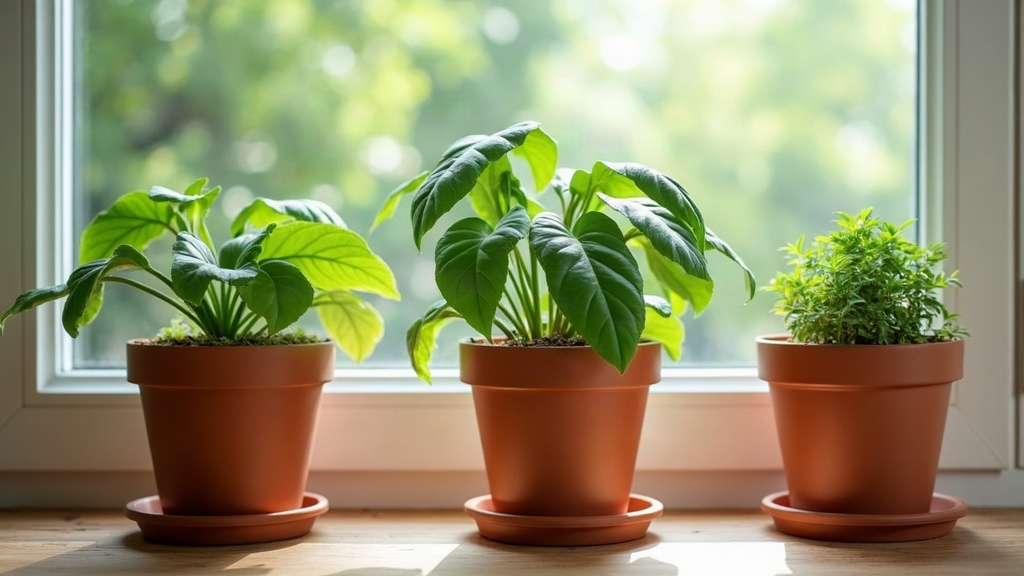
If you’re the type who waters plants more than you should, the material of your pot matters almost as much as what’s in the soil mix. Plastic holds moisture the longest and turns overwatering mistakes into real problems. Glazed ceramic sits somewhere in the middle. Unglazed terra cotta dries out fastest, which makes it the most forgiving choice if you’re new to this and prone to grabbing the watering can too often.
Why Pot Material Changes How Fast Soil Dries
Water leaves potting soil two ways: through the drainage holes at the bottom and through evaporation off the pot’s surface. Drainage holes get all the attention, but the material of the pot itself decides how much moisture escapes through the sides. That’s the part most beginners never think about.
- Terra cotta is porous, unglazed clay. It basically breathes, pulling moisture through its walls and letting it evaporate into the air around it.
- Ceramic (glazed) pots have a sealed, non-porous surface. Water can only leave through the drainage hole and whatever evaporates off the top.
- Plastic pots are completely sealed and often hug the root ball tightly, which traps moisture against the roots for days at a time.
Terra Cotta: The Forgiving Choice for Overwaterers
Unglazed terra cotta dries out 20 to 40 percent faster than plastic pots of the same size, depending on humidity and airflow in your home. That speed is exactly what someone who waters too often needs.
Pros:
- Dries quickly, which cuts down the risk of root rot
- Heavy and stable, good for top-heavy plants that tend to tip over
- Classic terra cotta look that suits succulents, herbs, and Mediterranean-style plants
Cons:
- Dries out fast outdoors in summer heat, so if you tend to underwater instead, you’ll be watering constantly
- The porous surface can develop a white, chalky mineral crust from hard tap water
- Cracks if it freezes while still wet, so leave it empty over winter in cold climates
Best for: succulents, cacti, pothos, snake plants, rosemary, and anyone who waters on a fixed schedule (say, every Sunday) rather than actually checking the soil first.
Ceramic: A Middle Ground with a Catch
Glazed ceramic pots look gorgeous, and there’s a reason they’re everywhere on Instagram. But in terms of moisture retention, they behave almost exactly like plastic. The glaze seals the clay completely, so the only exit for water is the drainage hole (if there is one) and whatever evaporates off the soil surface.
Here’s the real trap: a huge number of decorative ceramic pots are sold with no drainage hole at all. Pair that with slow evaporation and you’ve basically built a root rot machine. If you love the look of ceramic, check for a hole before you buy, or just use the pot as a cachepot and keep the plant in its plastic nursery pot nested inside.
Pros:
- Beautiful, huge range of styles and finishes
- Heavier than plastic, so more stable on a shelf or windowsill
- Insulates roots better than plastic during temperature swings
Cons:
- Holds moisture almost as long as plastic does
- Frequently comes without any drainage hole
- Pricier, and it breaks if you drop it
Plastic: Lightweight but Riskiest for Overwaterers
Nurseries love plastic pots because they’re cheap, light, and consistent batch after batch. But if you already tend to water too much, plastic is about the worst pairing possible: walls that don’t breathe, combined with soil that’s frequently already damp underneath.
Pros:
- Lightweight, easy to shuffle around or repot
- Cheap and available literally everywhere
- Flexible, so it won’t shatter if you knock it off a shelf
- Works well for plants that actually want consistent moisture (ferns, calatheas, peace lilies)
Cons:
- Holds water far longer than terra cotta, sometimes by several days
- Encourages root rot especially when paired with dense, heavy soil
- Gets brittle and discolors after years in direct sun
Which Pot Should Beginners Choose?
Here’s a simple rule: if you already know you overwater, go with terra cotta first. That faster drying time acts like a built-in safety net against soggy roots, even when you forget to check the soil.
| Situation | Best Pot Material |
|---|---|
| You water on a strict schedule (not by checking soil) | Terra cotta |
| You forget to water for weeks at a time | Plastic or glazed ceramic |
| You want both drainage and style | Ceramic cachepot + plastic nursery pot inside |
| Plant needs constant moisture (ferns, calathea) | Plastic |
| Plant needs to dry out fully (succulents, cacti) | Terra cotta |
Quick Fixes If You Can’t Switch Pots
- Drill a drainage hole into any ceramic pot yourself using a diamond-tip drill bit, if it doesn’t already have one.
- Try the chopstick test: push a wooden skewer into the soil and pull it out to check moisture before you water, no matter what pot you’re using.
- Switch to a chunkier, well-aerated soil mix (mix in perlite or orchid bark) to compensate for a slow-draining pot.
- Set pots up on pot feet or small risers so excess water drains away from the base instead of sitting there.
Conclusion
Pot material is one of those simple things that gets ignored, yet it can make or break how well you manage watering. Terra cotta is the most forgiving option for beginners: it dries fast and gives you visual cues (lighter color, a drier look) that help you judge when to water next. Ceramic looks fantastic but acts like plastic unless it actually has drainage. And plastic, while practical and cheap, holds moisture the longest of the three, which makes it the riskiest choice if you’re prone to watering too often. Match your pot to both the plant’s needs and your own habits, and root rot stops being a constant worry.