Bottom Watering vs Top Watering for Calatheas: Which Wins?
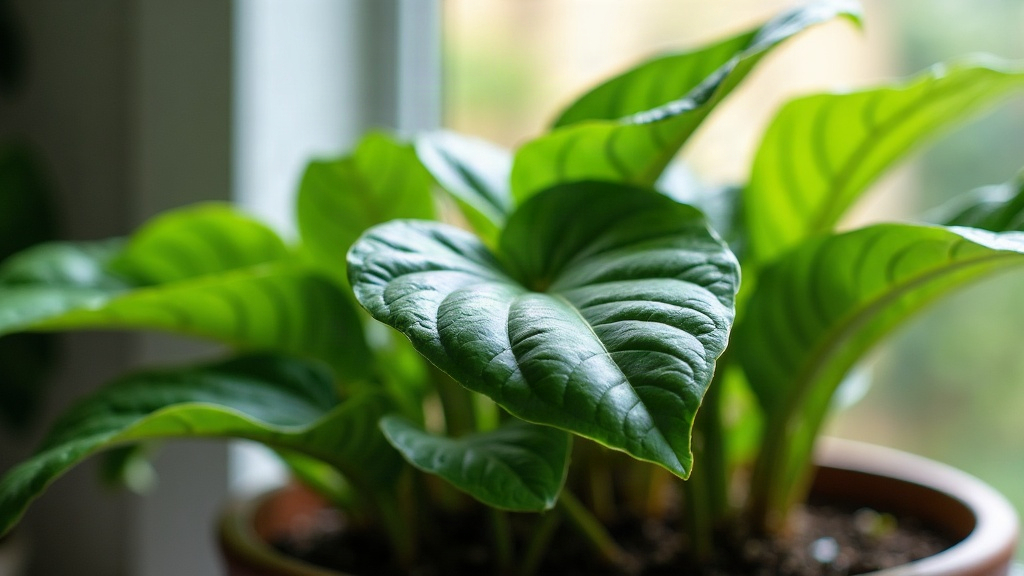
If your Calathea’s leaves are turning brown and crunchy along the edges, the way you water it might be part of the problem. In the ongoing debate over bottom watering vs top watering for Calatheas, bottom watering usually comes out ahead for preventing crispy edges, mainly because it spreads moisture more evenly and cuts down on mineral buildup sitting on the leaf tissue. That said, the real fix isn’t just about picking a method. It comes down to your water quality, your soil mix, and how consistent you actually are week to week.
Why Calatheas Get Crispy Edges in the First Place
Before you pick a side in the watering debate, it helps to know what’s actually causing the damage:
- Low humidity – Calatheas come from tropical rainforest floors and want humidity somewhere north of 50%. Most living rooms sit at 30-40%, which is already a problem.
- Mineral and chloramine buildup – Tap water salts don’t just disappear. They pile up in the soil and creep into leaf tips over months.
- Inconsistent watering – Let the soil dry to a crisp, then flood it to make up for lost time, and you’ve just put the roots through a stress test they didn’t sign up for.
- Fertilizer burn – Overdo the fertilizer and you’re basically concentrating salt right where the roots are trying to work.
Watering technique touches several of these directly, particularly the mineral buildup and the moisture swings.
Top Watering: The Traditional Method
Top watering is exactly what it sounds like: pour water onto the soil surface and keep going until it runs out the drainage holes.
Pros
- It mimics rainfall, which flushes excess salts out through the bottom of the pot.
- You can see and control exactly how much water goes in, and you know when it’s reached the bottom.
- Works nicely if you’re already using filtered or distilled water.
Cons
- Dense potting mixes can develop dry pockets that water just skips past.
- Splash hard tap water on the leaves and you’ll likely see mineral spots form.
- Skip a proper flush and salts pile up near the surface, exactly where a Calathea’s shallow roots are trying to feed.
Bottom Watering: The Gentler Alternative
Bottom watering means setting the pot in a tray or basin of water and letting the soil pull moisture up through the drainage holes via capillary action, usually for 15 to 30 minutes, then lifting it back out.
Pros
- Roots stretch downward and outward chasing the moisture, which builds a sturdier root system over time.
- Leaves stay bone dry, so you avoid mineral spotting and fungal issues on the foliage.
- Moisture spreads more evenly through the whole root ball, so you skip that dry-then-drenched cycle that wears roots down.
Cons
- It doesn’t flush salts out of the topsoil. In fact, those salts can migrate upward as the water evaporates.
- It takes more of your time (soaking, checking, pulling the pot out again).
- Leave it soaking too long and you risk overwatering, since you’re not watching drainage happen in real time.
So Which Actually Prevents Crispy Edges?
Here’s the honest answer: bottom watering cuts down on stress-related crisping, but only works long-term if you flush the soil now and then. Most experienced Calathea growers land on a hybrid routine that looks something like this:
- Bottom water 2-3 times for your regular hydration schedule. Gentle, even, easy on the roots.
- Top water thoroughly once a month to flush out whatever salts have built up. Let the water run freely through the drainage holes for a minute or two, don’t rush it.
- Always use filtered, distilled, or rain water. Calatheas are famously touchy about fluoride, chlorine, and hard water minerals. Honestly, this single factor causes more crispy brown tips than the watering method itself.
Additional Tips to Keep Edges Lush and Green
- Push humidity up with a pebble tray, a humidifier, or just clustering plants together. Aim for the 50-60% range.
- Check soil moisture with a finger test or a cheap moisture meter before you water. Calatheas want to stay consistently just-barely-moist, never bone dry, never swampy.
- Use a well-draining aroid mix with perlite and orchid bark so water doesn’t pool around the roots.
- Keep it away from cold drafts and direct sun, both of which speed up transpiration and dry the leaf margins faster than the roots can keep up with.
- Snip off crispy edges with clean scissors. It won’t undo the damage, but it tidies things up and lets the plant put its energy into new growth instead.
Conclusion
Bottom watering is the smarter default for Calatheas: leaves stay dry, roots grow stronger, and you avoid the mineral spotting that comes with splashing water on foliage. But it’s not a magic fix on its own. Pair it with a monthly top-water flush, filtered water, and steady humidity, and you’re actually addressing the causes of crispy edges instead of just papering over the symptom. In the end, it’s consistency, not just the method you pick, that keeps Calathea foliage full and vibrant.