Perlite vs Pumice vs Lava Rock for Aroid Soil Aeration
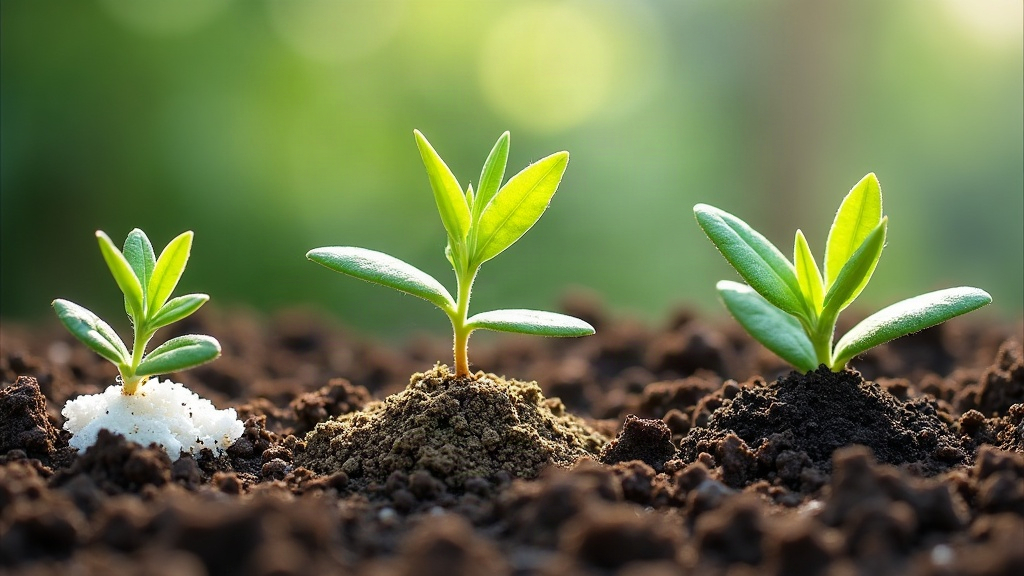
If you’re mixing a chunky aroid blend for monsteras, philodendrons, anthuriums, or alocasias, the aeration amendment you pick matters almost as much as the recipe itself. Perlite, pumice, and lava rock all boost drainage and oxygen flow, but they age very differently inside a pot. Here’s the short version: pumice gives you the best long-term balance of drainage and moisture retention, lava rock holds up the longest structurally in chunky mixes, and perlite is the cheapest and lightest option but wears out fastest. Let’s look at how they actually stack up.
Why Aeration Matters for Aroids
Most of the aroids we grow as houseplants are epiphytic or semi-epiphytic by nature. Their roots evolved to grip bark and pull moisture from humid air, not sit in dense, soggy soil. A mix that stays wet too long suffocates roots and opens the door to root rot, probably the single most common reason aroids decline indoors. Mixing in a coarse, inorganic amendment creates air pockets, speeds up drainage, and keeps the substrate from compacting into a brick.
Perlite: Cheap, Light, but Short-Lived
Perlite is expanded volcanic glass, the white, popcorn-like flecks you’ve probably seen in every bag of potting soil at the garden center.
Pros:
- Very lightweight, great for big pots or hanging baskets where weight adds up fast
- Cheap and sold almost everywhere
- Gives excellent short-term drainage and aeration
Cons:
- Floats to the surface when you water from above, especially in loose aroid mixes
- Breaks down within 1-2 years, turning into a fine, compacted dust that actually hurts drainage
- Barely holds any moisture or nutrients, so it offers nothing in terms of humidity buffering
Treat perlite as a minor, supporting player (10-20% of the mix) rather than your main aeration ingredient if you’re keeping an aroid long-term.
Pumice: The All-Around Winner for Aroids
Pumice comes from volcanic activity too, but it’s denser and more porous than perlite, riddled with tiny internal air pockets.
Pros:
- Doesn’t float, doesn’t break down. It can last for years, through multiple repots
- The porous structure holds a thin film of water and nutrients while still letting excess drain away
- Heavier than perlite, so it helps anchor top-heavy plants like a mature Monstera or Philodendron
- Encourages healthier microbial activity in the root zone over time
Cons:
- Pricier than perlite
- A bit heavier, which matters if you’re shipping plants or managing a large collection of big pots
- Harder to find at a generic garden center; you’ll often need a specialty retailer or an online supplier
For most aroid growers, pumice is the gold standard because it mimics exactly what you want from a bark-and-rock epiphyte substrate: steady airflow plus just enough moisture to tide the roots over.
Lava Rock: Maximum Structure, Minimum Moisture Retention
Lava rock (also called scoria) is crushed volcanic stone, rougher and more angular than pumice.
Pros:
- Extremely durable, practically indestructible
- Creates large, permanent air gaps, perfect for very chunky mixes built around climbing monsteras and philodendrons
- Heavy enough to stabilize top-heavy plants even in smaller pots
Cons:
- Holds very little water, so a lava-rock-heavy mix dries out quickly and demands more frequent watering
- The sharp edges can bruise delicate roots during repotting
- Not a great fit for humidity-loving aroids (certain Anthurium or Philodendron species, for instance) that want a bit of moisture buffer around the roots
Lava rock earns its keep as a bulk-structure ingredient for plants that genuinely like to dry out fast, or as a drainage layer at the bottom of a deep pot.
Quick Comparison Table
| Property | Perlite | Pumice | Lava Rock |
|---|---|---|---|
| Drainage speed | Fast | Fast | Fastest |
| Moisture retention | Very low | Moderate | Very low |
| Longevity | 1-2 years | Years (doesn’t degrade) | Indefinite |
| Weight | Lightest | Medium | Heaviest |
| Cost | Low | Medium | Medium |
| Floats in soil? | Yes | No | No |
Which Should You Choose?
- Growing in small pots, or shipping plants a lot? Go with perlite for the weight savings, just know you’ll need to refresh the mix sooner.
- Want a low-maintenance mix that lasts? Pumice is the safest, most balanced pick for general-purpose aroid care.
- Growing drought-tolerant or rot-prone species, or building a bulky chunky mix with bark and charcoal? Add lava rock for permanent structure, and pair it with something that holds a touch more moisture, like pumice or orchid bark.
A lot of experienced growers blend two of these together, pumice plus a smaller ratio of lava rock being a common combo, to get moisture buffering and permanent aeration in the same pot.
Conclusion
There’s no single “best” amendment that works for every setup. But if you want one answer: pumice gives you the best overall balance of drainage, durability, and moisture control for most aroid mixes. Perlite earns its place as a budget or weight-saving addition for shorter-term use. Lava rock wins when you need maximum, lasting aeration and don’t mind watering more often. Match the amendment to how you water, how big your pots are, and which aroid you’re actually growing, and your roots will thank you for it.